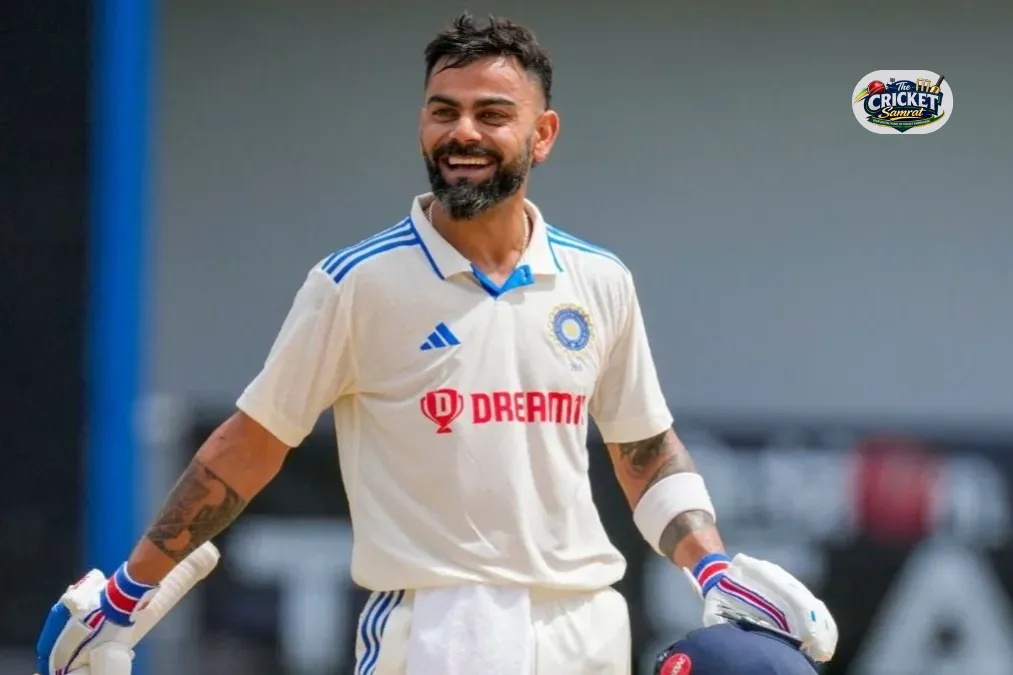
The idea of a Virat Kohli return to Test cricket has once again begun circulating across the cricketing world. A few dominant ODI innings, viral throwback videos, and the ever-restless nature of social media have combined to revive an old narrative-that India’s most influential modern batter could don the whites again in 2026.
For fans, the suggestion carries romance. For selectors, it raises curiosity. But for Test cricket-the most unforgiving and analytical format-sentiment counts for very little.
Test cricket does not reward nostalgia. It does not bend for reputation. It does not soften scrutiny for legends returning late in their careers. Instead, it examines every movement, magnifies every technical flaw, and measures players not against who they were-but against what the format demands today.
Kohli’s Test career already stands as one of the most complete chapters in Indian cricket history. Reopening that chapter may not add meaning-it may alter perception.
This article explores why a 2026 comeback could be one of the riskiest decisions of Kohli’s career, what history tells us about late Test returns, and why sometimes the strongest legacy move is knowing when not to return.
Virat Kohli’s Test Career: A Legacy Already Complete
Before debating a comeback, it is essential to understand what Kohli has already achieved in the longest format.
Across 14 years in whites, Virat Kohli built a resume that places him among India’s greatest-ever Test cricketers.
Virat Kohli Test Career Summary
| Category | Record |
|---|---|
| Test Matches | 123 |
| Runs Scored | 9,230 |
| Batting Average | 46.85 |
| Centuries | 30 |
| Half-Centuries | 31 |
| Double Centuries | 7 |
| Highest Score | 254* |
| Test Debut | 2011 vs West Indies |
| Final Test | 2025 |
These are not numbers of a player searching for closure. They are the statistics of a career that reached maturity, dominance, and conclusion.
Yet Kohli’s greatest contribution may not lie only in runs.
Captain Kohli: The Architect of India’s Overseas Revolution
Virat Kohli redefined India’s relationship with Test cricket abroad. Under his leadership, India stopped playing for draws and began playing to dominate.
Virat Kohli as Test Captain
| Metric | Record |
| Matches as Captain | 68 |
| Wins | 40 |
| Losses | 17 |
| Draws | 11 |
| Win Percentage | 58.82% |
He remains India’s most successful Test captain by number of wins.
Globally, only three captains-Graeme Smith, Ricky Ponting, and Steve Waugh — have more Test victories.
Kohli’s era delivered:
- Historic series wins in Australia
- A rise to No.1 in ICC Test rankings
- A pace-bowling transformation
- Aggressive overseas mindset
When he stepped away from Tests in May 2025, he did not do so as a fading leader clinging to relevance. He left as the man who had reshaped India’s red-ball identity.
That context matters.
Why the 2026 Comeback Narrative Has Resurfaced
The discussion around a Virat Kohli return to Test cricket did not begin due to red-ball performances.
It emerged primarily because of:
- A strong run of ODI centuries
- Improved fluency against pace bowling
- Visible hunger and fitness
- Public admiration from former players
In isolation, those indicators appear convincing.
But cricket formats do not translate automatically.
And that is where the risk begins.
Why ODI Form Does Not Guarantee Test Readiness
One of the most common arguments supporting a comeback is simple:
“If Kohli is scoring runs in ODIs, why not in Tests?”
The logic is understandable — but technically flawed.
Key Differences Between ODI and Test Batting
| Aspect | ODI Cricket | Test Cricket |
| Ball Condition | Two new balls | Aging red ball |
| Bowling Strategy | Defensive fields | Sustained attacking traps |
| Tempo | Controlled aggression | Long defensive discipline |
| Margin of Error | Moderate | Extremely small |
| Shot Selection | Scoring options | Survival first |
ODIs reward Kohli’s enduring strengths:
- Strike rotation
- Match awareness
- Controlled aggression
- Tempo management
Test cricket demands something far harsher:
- Hours of leaving the ball
- Repetitive defensive technique
- Mental endurance across sessions
- Patience without release
These are not skill overlaps-they are skill opposites.
The Statistical Reality of Kohli’s Test Decline
The strongest argument against a comeback is not emotional-it is numerical.
Virat Kohli Test Batting Average Comparison
| Period | Average |
| 2011–2019 | 54.98 |
| 2020–2025 | 30.73 |
This was not a temporary slump.
It was a five-year trend.
The decline cut across conditions, opponents, and venues. It survived captaincy pressure, bio-bubbles, and team transitions.
By the time Kohli retired, he was no longer losing form-he was battling the format itself.
That is a crucial distinction.
Why His Retirement Felt Final
When Kohli announced his Test retirement in May 2025, the wording mattered.
He did not cite injury. He did not cite mental fatigue. He did not say “for now.”
Instead, he said the decision “felt right.”
That phrasing implied closure-not pause.
Unlike emotional retirements that invite reversal, this one carried calm acceptance.
A return after such clarity invites an unavoidable question:
What has fundamentally changed?
Why the Lionel Messi Comeback Comparison Fails
Many fans reference Lionel Messi’s international return as justification.
But the situations are not comparable.
| Factor | Messi | Kohli |
| Retirement Trigger | Emotional loss | Measured reflection |
| Time Away | Weeks | Potentially years |
| Format Demands | Short tournaments | Five-day endurance |
| Physical Load | Intermittent | Continuous |
Messi retired in emotional devastation after a Copa America final loss.
Kohli retired after 14 seasons of introspection.
One was heartbreak. The other was acceptance.
Reversals born from emotion heal naturally. Reversals born from clarity invite scrutiny.
Why Test Cricket Is Brutal to Late-Career Returns
Test cricket is not hostile-it is honest.
It exposes:
- Slight bat-speed reduction
- Delayed foot movement
- Minor alignment flaws
- Repeated dismissal patterns
For young players, flaws are forgiven. For legends, they become headlines.
Every failure becomes decline. Every series becomes a referendum.
Late-career reputations are rarely enhanced. They are slowly chipped.
The Calendar Problem No One Talks About
A potential 2026 Test return would collide with:
- Packed international schedules
- Workload management limits
- ICC tournaments
- 2027 ODI World Cup preparations
A red-ball comeback would demand:
- Technical recalibration
- Extended practice blocks
- Mental shift away from limited-overs rhythm
The danger is not merely Test failure.
The danger is collateral damage-especially to his ODI form, where Kohli remains India’s most dependable asset.
Indian Cricket Rarely Reverses Test Retirements
Historically, Test retirement in India is close to final.
Rare Indian Test Comeback Examples
| Player | Year | Outcome |
| Javagal Srinath | 2002 | Brief return, limited impact |
| Others | — | No sustained second acts |
These reversals are remembered precisely because they are rare.
They did not redefine legacies. They merely filled temporary gaps.
A Kohli reversal would be unprecedented — and relentlessly examined.
What Does a Test Return Actually Achieve?
Best-Case Scenario
- Solid performances
- One defining innings
- Respectful farewell
Legacy impact: minimal.
Worst-Case Scenario
- Technical struggles resurface
- Numbers deteriorate
- Narrative shifts from dominance to decline
Legacy impact: damaging.
Most Likely Scenario
- Mixed performances
- Endless debate
- No clarity added
Legacy impact: contested.
From a risk-reward perspective, restraint wins.
Lessons From Global Comebacks
History offers warnings.
Ben Stokes (England)
Returned after mental health break — not romance, but recovery.
Wanindu Hasaranga (Sri Lanka)
Announced Test comeback in 2024 — suspended before playing.
Bob Simpson (Australia)
Returned at 41, succeeded briefly, but endured turbulence.
The pattern is consistent:
Comebacks are rarely cinematic. They are messy, fragile, and unforgiving.
Why Ending Matters More Than Returning
Legacy is not only built on achievement — it is shaped by the final image.
Kohli’s Test story currently ends with:
- Authority
- Leadership
- Statistical weight
- Cultural impact
A return does not extend that story.
It risks rewriting the ending.
The Power of a Finished Portrait
Test whites are unforgiving.
Once removed with dignity, sometimes they should remain folded.
Virat Kohli’s Test career does not need revision. It needs preservation.
The strongest legacy move may not be another innings — but the discipline to let greatness remain untouched.
Conclusion:
The conversation around Virat Kohli return to Test cricket is understandable. Legends inspire hope long after they exit.
But Test cricket is not a museum of memories.
It is a live examination.
Kohli has already passed that examination with distinction.
Reappearing for sentiment may not strengthen what already stands tall.
Sometimes, the most powerful statement a legend can make…
is knowing when the story is complete.