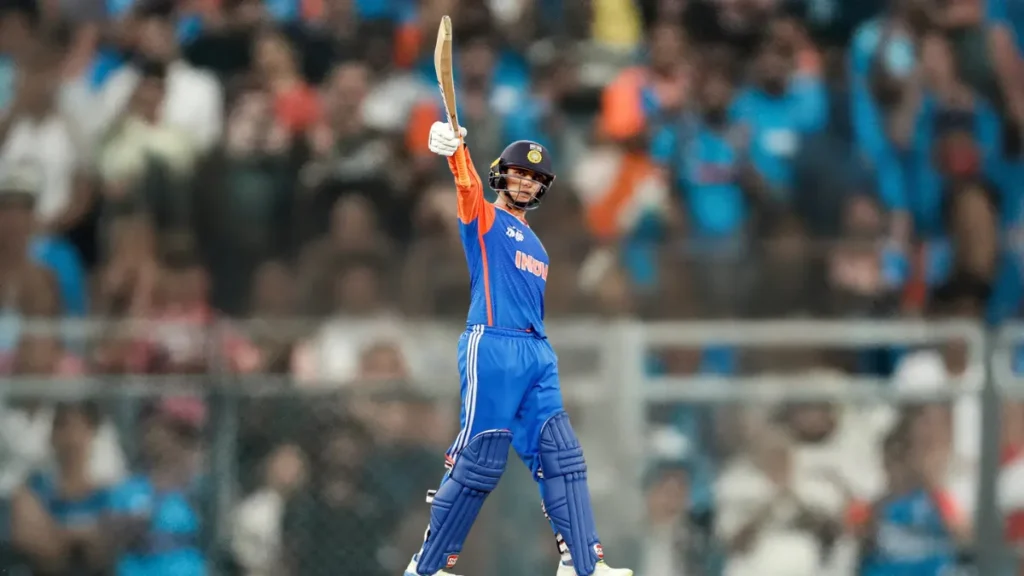
The grand stage of the T20 World Cup 2026 final witnessed an electrifying performance as Abhishek Sharma smokes 18-ball fifty, delivering one of the most explosive innings in a high-pressure international final. The young Indian opener produced a breathtaking display of fearless batting, putting New Zealand under immediate pressure and giving India a flying start in the title clash at the Narendra Modi Stadium in Ahmedabad.
In a match filled with expectations, Abhishek Sharma rose to the occasion with remarkable confidence. His aggressive approach, combined with precise shot selection, turned the powerplay into a run-fest for India. By the time the first six overs ended, India had already piled up an incredible 92 runs without losing a wicket, with Sharma leading the charge.
This sensational knock not only changed the momentum of the match but also reminded fans and critics alike why he is regarded as one of the most promising young talents in modern T20 cricket.
Abhishek Sharma Delivers When It Matters Most
Entering the final with immense pressure, Abhishek Sharma answered his critics in the most emphatic way possible. The left-handed opener wasted no time settling in and began attacking the New Zealand bowlers from the very start.
After a cautious opening phase that included a few dot balls, Sharma quickly shifted gears. His innings featured a combination of powerful drives, crisp cuts, and towering sixes that thrilled the massive crowd in Ahmedabad.
The highlight of the innings came when Abhishek Sharma smokes 18-ball fifty, reaching the milestone with incredible speed. It was a knock filled with confidence and determination, showcasing his ability to perform on the biggest stage.
Once he reached his half-century, Sharma celebrated by gesturing toward the Indian dugout, a moment that reflected both relief and pride after delivering a match-defining performance.
Explosive Powerplay Sets the Tone for India
India’s start in the final was nothing short of extraordinary. The opening partnership between Abhishek Sharma and Sanju Samson proved to be the perfect recipe for early dominance.
The pair attacked relentlessly during the powerplay, ensuring New Zealand’s bowlers had no room to settle. Boundaries came regularly, and the scoring rate quickly climbed above 15 runs per over.
India’s Powerplay Performance
| Category | Performance |
|---|---|
| Runs Scored | 92 |
| Wickets Lost | 0 |
| Overs Played | 6 |
| Run Rate | 15.33 |
| Key Contributor | Abhishek Sharma |
Out of the 92 runs scored during the powerplay, a significant portion came from Sharma’s fearless stroke play. His ability to find gaps and clear the boundary consistently kept the scoreboard moving rapidly.
Match Context: India vs New Zealand Rivalry
The T20 World Cup final added another chapter to the intense cricketing rivalry between India and New Zealand. Over the years, both teams have faced each other in several important ICC tournaments.
Historically, New Zealand had held an edge in crucial matches, including previous finals and T20 World Cup encounters. However, India had also registered memorable victories, particularly in more recent tournaments.
India vs New Zealand in Major ICC Finals
| Year | Tournament | Venue | Result |
|---|---|---|---|
| 2000 | ICC Knockout Trophy | Nairobi | New Zealand won |
| 2021 | ICC World Test Championship | Southampton | New Zealand won |
| 2025 | ICC Champions Trophy | Pakistan | India won |
| 2026 | ICC T20 World Cup | Ahmedabad | Final Match |
This final was therefore more than just another match. It represented an opportunity for India to rewrite history and assert dominance against a team that has often challenged them in global tournaments.
Abhishek Sharma’s Batting Approach
One of the most impressive aspects of Sharma’s innings was his fearless mindset. Despite the importance of the occasion, he showed no signs of nervousness.
His strategy was clear from the beginning:
• Target the powerplay overs
• Attack the fast bowlers early
• Rotate strike when boundaries were not available
• Maintain a high scoring tempo
The aggressive style paid off immediately. Even after the first few deliveries produced no runs, Sharma did not change his approach. Instead, he trusted his instincts and began finding the boundary regularly.
Shot Selection That Dominated the Bowlers
Abhishek Sharma’s innings was a perfect example of modern T20 batting. His ability to adapt quickly and attack different bowlers made it extremely difficult for New Zealand to control the flow of runs.
Some of his most effective scoring shots included:
- Lofted drives over the infield
- Powerful pull shots against short deliveries
- Crisp cover drives against pace bowlers
- Clean sixes over midwicket
These shots not only increased India’s scoring rate but also forced the New Zealand captain to rethink his bowling strategy.
Team Support from the Other End
While Abhishek Sharma remained the focal point of the innings, his opening partner Sanju Samson also played an important supporting role. Samson ensured that the strike rotated efficiently while also hitting a few boundaries of his own.
The partnership built a strong platform for the middle order. By the time the powerplay ended, India had already placed New Zealand under tremendous pressure.
However, the spotlight firmly remained on Sharma as his explosive batting defined the early momentum of the match.
Team Lineups for the Final
India Playing XI
| Player |
|---|
| Abhishek Sharma |
| Sanju Samson (wk) |
| Ishan Kishan |
| Suryakumar Yadav (c) |
| Tilak Varma |
| Shivam Dube |
| Hardik Pandya |
| Axar Patel |
| Varun Chakravarthy |
| Arshdeep Singh |
| Jasprit Bumrah |
New Zealand Playing XI
| Player |
|---|
| Tim Seifert (wk) |
| Finn Allen |
| Rachin Ravindra |
| Glenn Phillips |
| Mark Chapman |
| Daryl Mitchell |
| James Neesham |
| Mitchell Santner (c) |
| Jacob Duffy |
| Matt Henry |
| Lockie Ferguson |
Pitch Conditions Favor Aggressive Batting
The match was played on a mixed-soil pitch at the Narendra Modi Stadium, which is known for producing balanced conditions. The surface appeared flat and offered consistent bounce, making it ideal for stroke play.
Such conditions suited India’s aggressive batting lineup perfectly. With power hitters throughout the order, the team had the ability to maintain a high scoring rate throughout the innings.
Abhishek Sharma’s explosive start took full advantage of the batting-friendly conditions and ensured India seized the early initiative.
Also read: Ahmedabad Stadium Pitch Report: Complete Analysis of Pitch, Conditions, and Match Strategy
A Defining Moment in Abhishek Sharma’s Career
For Abhishek Sharma, this innings could become one of the most memorable moments of his career. Performing in a World Cup final requires extraordinary composure, and his fearless approach demonstrated his maturity as a cricketer.
The phrase Abhishek Sharma smokes 18-ball fifty will likely remain one of the defining highlights of the tournament. It captured the essence of his innings — explosive, confident, and perfectly timed for the biggest stage.
As India aimed to secure another ICC trophy, Sharma’s stunning powerplay performance had already laid a strong foundation for a potentially historic victory.