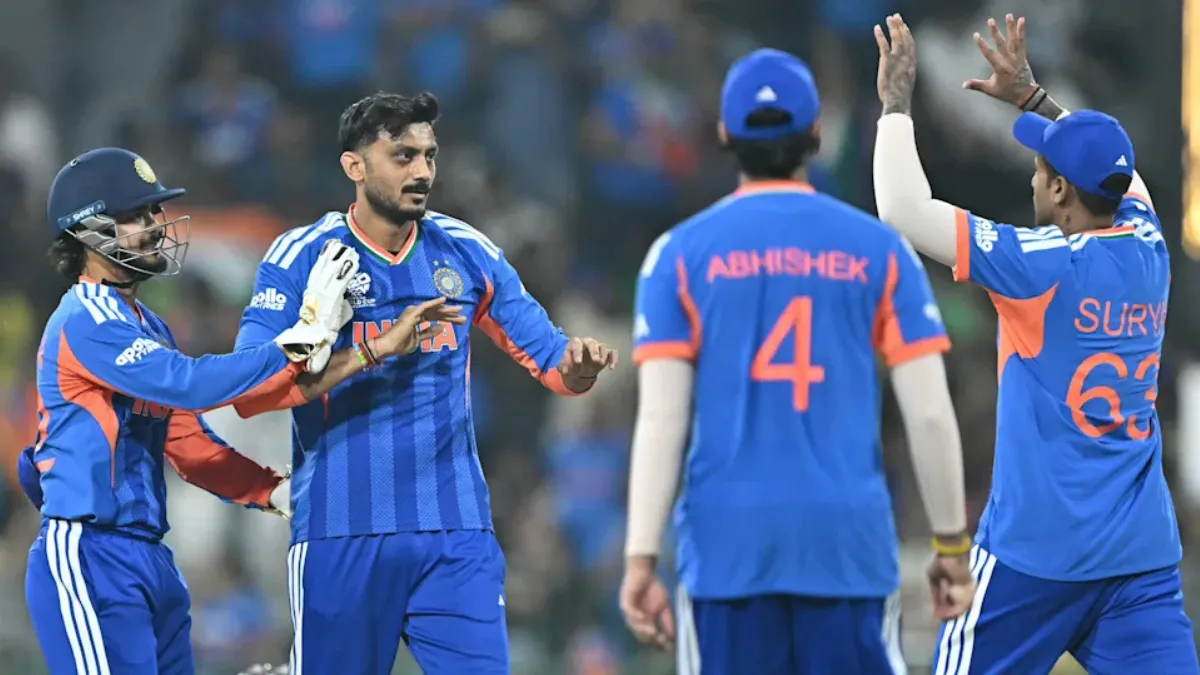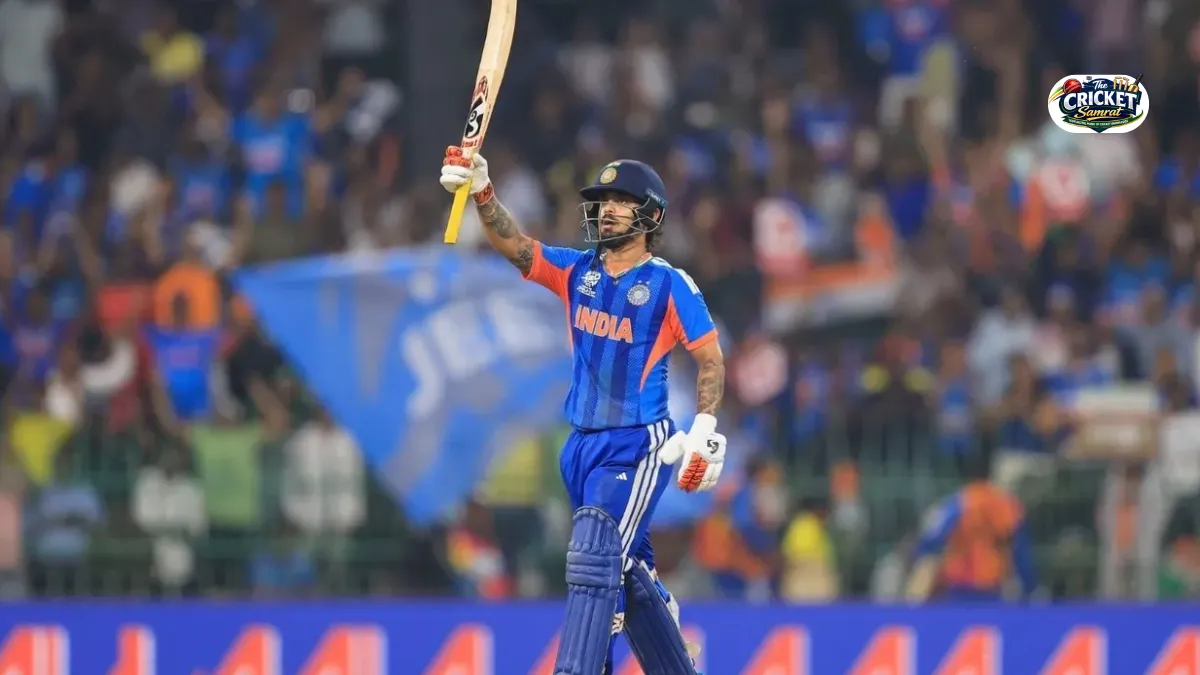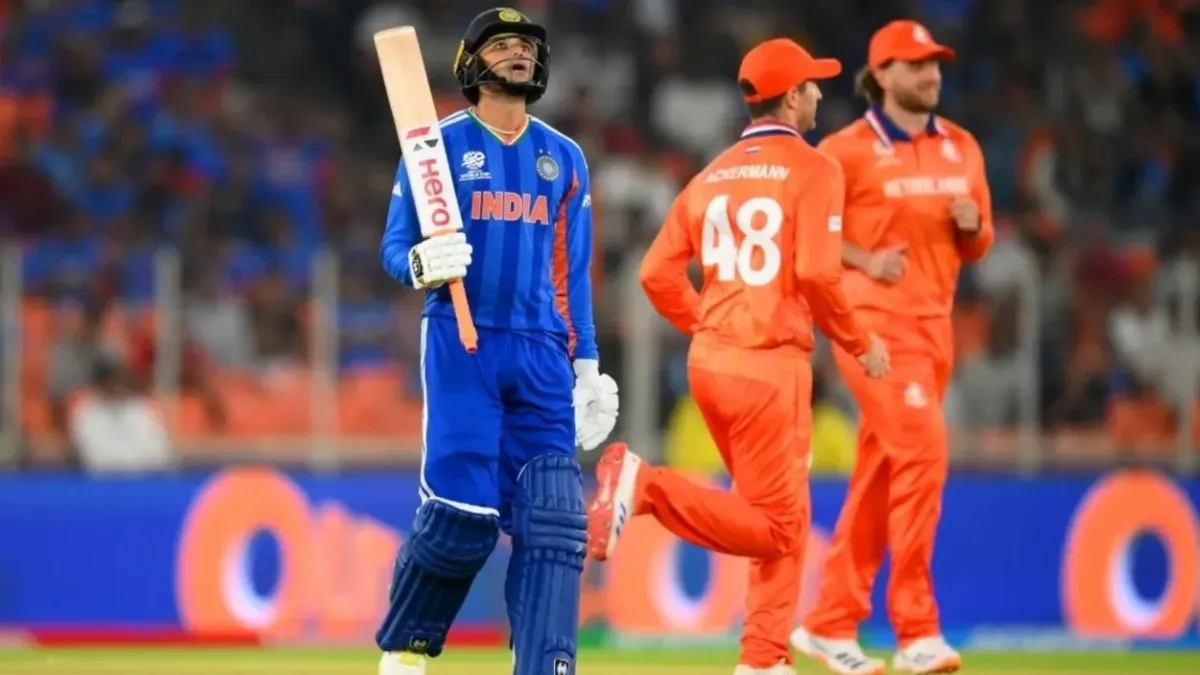
The phrase “Abhishek sharma third duck” has quickly become one of the most searched cricket keywords during the ongoing ICC T20 World Cup 2026. What was expected to be a breakthrough tournament for India’s explosive young opener has instead turned into a worrying slump. Abhishek Sharma has now been dismissed for zero in three consecutive innings-a shocking statistic that has left fans, analysts, and team management deeply concerned.
In a tournament where momentum can define a team’s destiny, India now faces serious questions at the top of the order ahead of the crucial Super 8 stage.
A Historic and Unwanted Record for India
Abhishek Sharma’s third consecutive duck has placed him in an unfortunate chapter of Indian cricket history. In the 19-year history of the ICC T20 World Cup, no Indian batter had ever been dismissed for zero in three straight matches — until now.
The “Abhishek sharma third duck” milestone is not one any cricketer would wish to claim. For a player who entered the tournament as one of the most promising T20 batters in the world, this dramatic loss of form has stunned the cricketing community.
Across his last seven T20 International innings, Sharma has registered five ducks — an alarming trend for a top-order batter expected to provide aggressive starts in powerplay overs.
Only the Second Indian to Register Three Consecutive Ducks
In T20 Internationals overall, Abhishek Sharma has become just the second Indian cricketer to record three consecutive ducks. The only other Indian to experience a similar slump was Washington Sundar, who returned to the pavilion without scoring in three straight matches during the 2019-20 season.
While Sundar is primarily an all-rounder who contributes significantly with the ball, Sharma’s role is vastly different. As a specialist opener, his primary responsibility is to provide quick starts and stability at the top — something that has been missing in India’s campaign so far.
Most Ducks in a Calendar Year Among T20 Openers
Abhishek Sharma’s struggles this year also place him among an unfortunate list of openers with the most ducks in a single calendar year in T20 Internationals.
Below is the updated list:
| Player | Country | Year | Ducks |
|---|---|---|---|
| Saim Ayub | Pakistan | 2025 | 6 |
| Kalomwong Chaitphaisan | Thailand | 2024 | 5 |
| Kushal Bhurtel | Nepal | 2024 | 5 |
| Dharma Kesuma | Indonesia | 2025 | 5 |
| Parvez Hossain Emon | Bangladesh | 2025 | 5 |
| Abhishek Sharma | India | 2026 | 5 |
With five ducks already in 2026, Sharma now sits fifth on this list — a statistic that raises further concerns about consistency at the international level.
Pressure Mounts Before Super 8 Stage
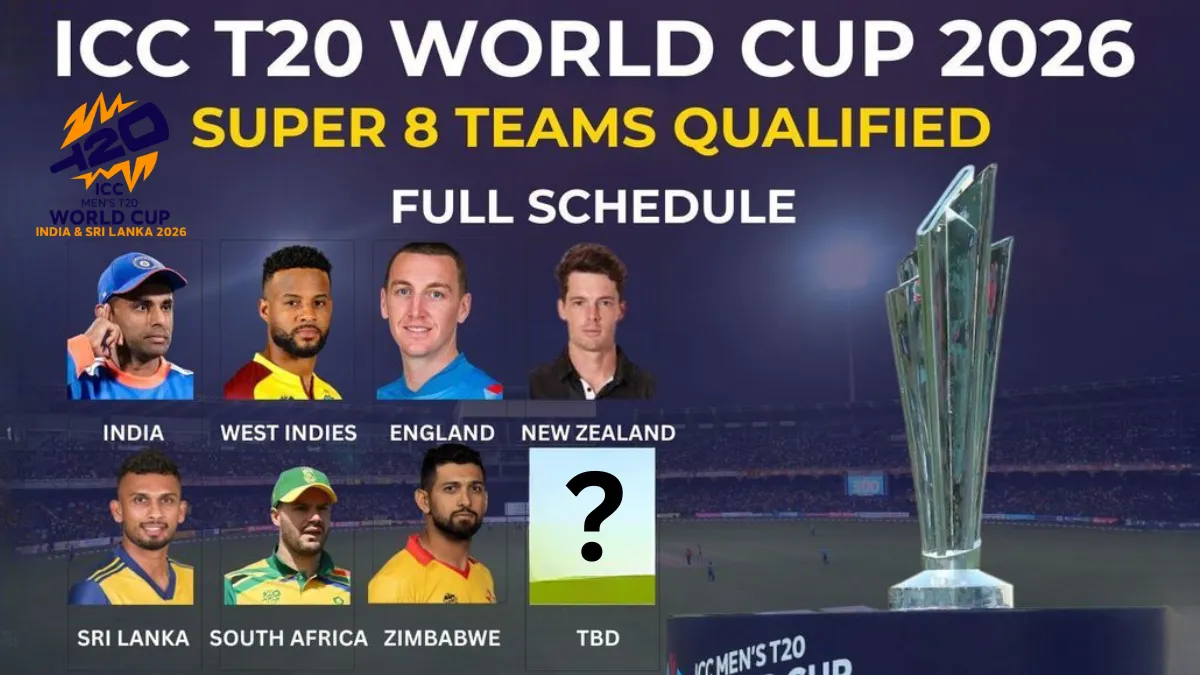
India’s qualification for the Super 8 stage has not eliminated concerns. In fact, the team’s top-order instability could become a decisive factor against stronger opposition.
Captain Suryakumar Yadav and head coach Gautam Gambhir now face a difficult decision. Should they persist with Abhishek Sharma and back his talent, or should they consider changes before the knockout rounds?
The issue is compounded by the earlier dip in form from Sanju Samson, who was sidelined due to inconsistency. Sharma was expected to solidify the opening slot, but his recent performances have instead intensified selection debates.
Why This Slump Is So Concerning
In T20 cricket, early wickets can significantly disrupt momentum. When an opener falls cheaply, it exposes the middle order to the new ball and increased pressure.
Sharma’s repeated dismissals have:
- Increased pressure on the No. 3 and No. 4 batters
- Disrupted India’s powerplay scoring strategy
- Forced the middle order to play more cautiously
- Reduced flexibility in chasing targets
Against elite bowling attacks in the Super 8 stage — particularly teams like South Africa — such vulnerabilities can prove costly.
Mental Pressure or Technical Flaw?
Experts are divided on whether Sharma’s slump is technical or psychological. Some analysts suggest he is falling too early to aggressive strokes, while others believe the pressure of performing on the global stage has affected his decision-making.
In T20 cricket, confidence is everything. A single boundary can transform a batter’s rhythm, but three consecutive ducks can equally shatter confidence.
The “Abhishek sharma third duck” narrative is now dominating sports headlines, and the longer this run continues, the heavier the mental burden will become.
Should India Make a Change?
The question now facing Indian management is whether to stick with Sharma or bring back an alternative option before the Super 8 fixtures begin.
Arguments for backing Sharma:
- Proven domestic T20 success
- Explosive powerplay potential
- Long-term investment for India
Arguments for replacing him:
- Current form crisis
- Rising pressure in high-stakes matches
- Availability of experienced alternatives
With knockout-style games approaching, India cannot afford repeated early collapses.
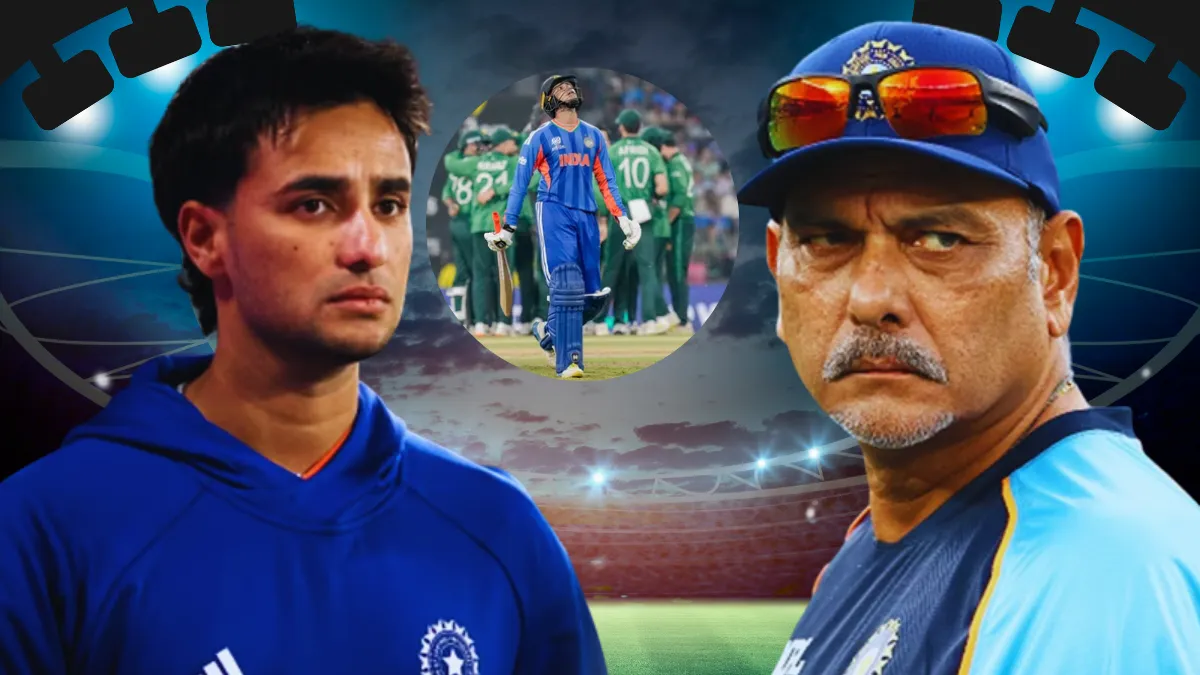
Also read: Ravi Shastri Urges Patience from Abhishek Sharma After Early Dismissal in India’s Win Over Pakistan
A Defining Moment for Abhishek Sharma
Every cricketer faces form slumps, but how they respond defines their careers. This phase could either damage Sharma’s international standing or become the turning point that strengthens his mental resilience.
India’s T20 World Cup campaign is delicately poised. While the team has managed to qualify for the next stage, consistency from the top order will be critical moving forward.
The story of “Abhishek sharma third duck” is not just about statistics — it is about expectation, pressure, and redemption. The coming matches will reveal whether this unwanted record becomes a temporary setback or a defining chapter in his career.
For now, Indian fans can only hope that Sharma’s bat finally speaks when it matters most.