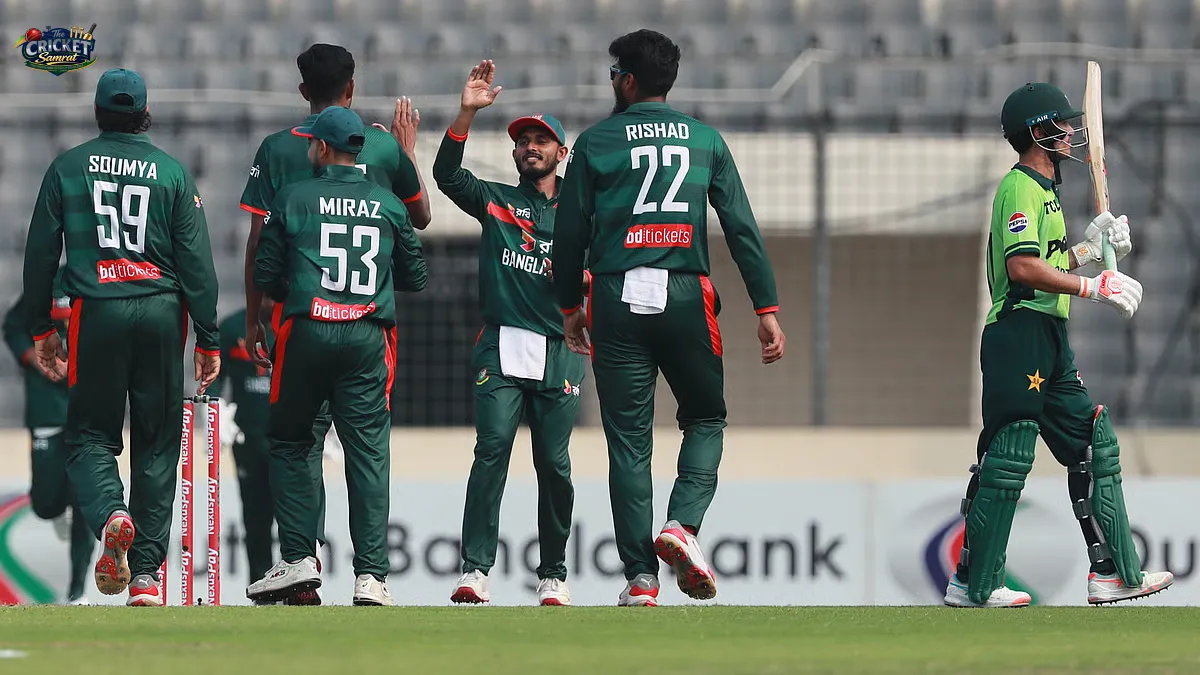
The road to the Bangladesh cricket T20 World Cup 2026 campaign has taken a dramatic and controversial turn, with governance issues, political tensions, and administrative failures dominating headlines instead of on-field action. What was expected to be a celebratory build-up to the global tournament has instead become a flashpoint for debate, following Bangladesh’s shock exclusion from the competition and Pakistan’s subsequent threat to boycott the event in protest.
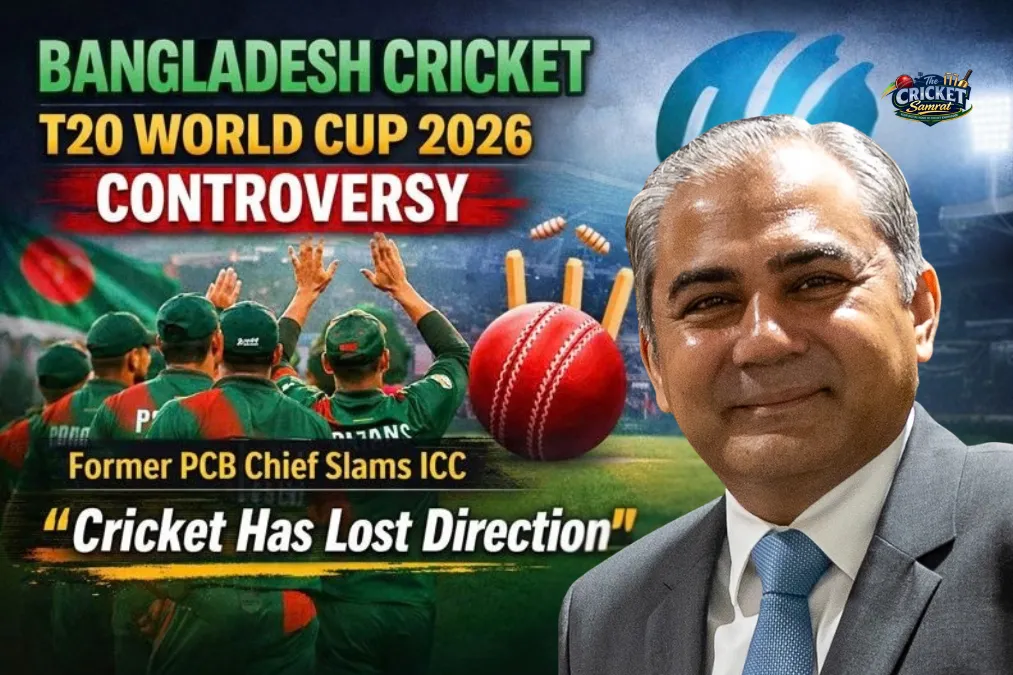
At the heart of the storm lies the International Cricket Council (ICC), which has come under intense scrutiny from former Pakistan Cricket Board (PCB) chairman Ehsan Mani. In a strongly worded criticism, Mani accused the global governing body of failing to safeguard cricket from political interference, warning that the sport is losing its sense of direction under the ICC’s current structure.
Bangladesh Replaced by Scotland Ahead of T20 World Cup 2026
Bangladesh’s removal from the T20 World Cup 2026 and their replacement by Scotland sent shockwaves across the cricketing world. For a full-member nation with a long-standing presence in ICC events, the decision was unprecedented and raised serious questions about transparency, consistency, and fairness in tournament governance.
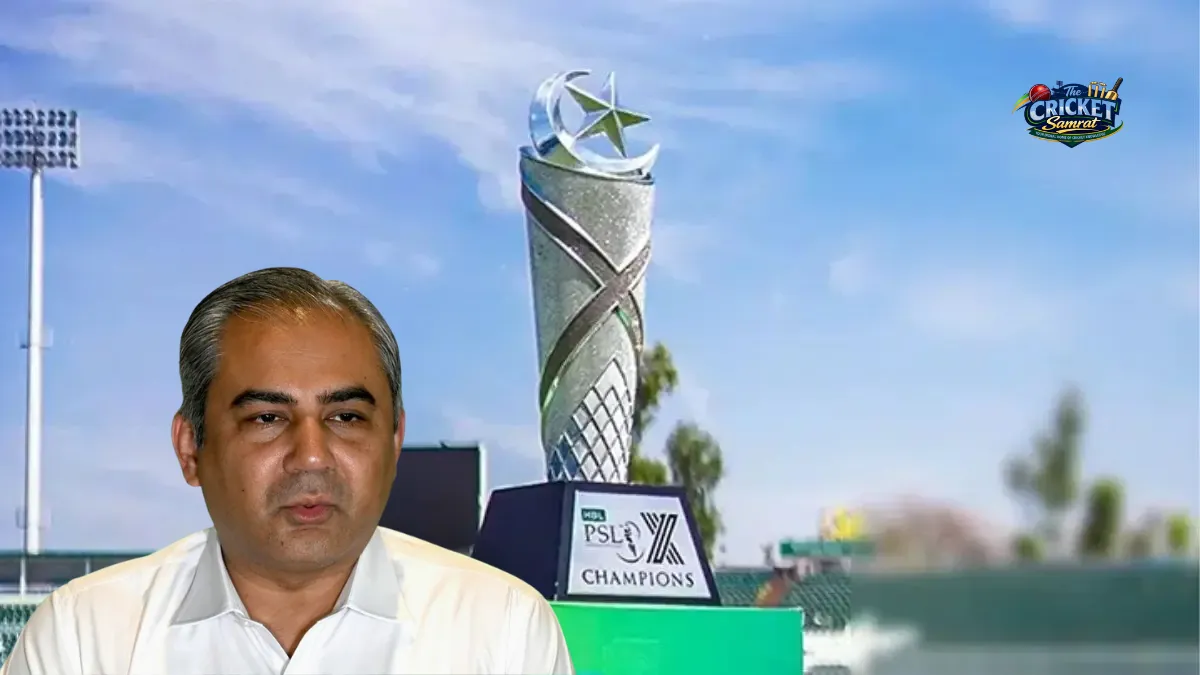
The controversy has been compounded by Pakistan’s uncertain participation. In a show of solidarity with Bangladesh, the Pakistan Cricket Board—now led by Mohsin Naqvi—has reportedly expressed reservations about taking part in the tournament unless the matter is resolved fairly. While the countdown to the World Cup has officially begun, Pakistan is still awaiting a clear directive from the ICC, keeping fans and stakeholders in suspense.
Ehsan Mani Calls for Urgent ICC Governance Reform
Speaking to Telecom Asia, Ehsan Mani did not mince words while assessing the unfolding situation around the Bangladesh cricket T20 World Cup 2026 controversy. According to Mani, the ICC has failed in its primary responsibility: ensuring that cricket remains independent of political pressures.
“There should be a serious governance review of the ICC immediately,” Mani said. “The only possible remedy may lie in restructuring the board, including constitutional changes that ensure a majority of independent directors.”
Mani further added that the current governance model has diluted accountability and decision-making clarity within the ICC.
“I genuinely feel cricket has lost direction due to the way the ICC is structured today,” he said, reflecting the frustration felt by many former administrators and cricket experts.
Mustafizur Rahman IPL Episode Triggered Security Concerns
One of the key moments that escalated tensions was the removal of Bangladesh pacer Mustafizur Rahman from the Indian Premier League (IPL), despite being officially picked during the auction. Mani highlighted this incident as a turning point that raised legitimate concerns within Bangladesh about player safety and security while traveling to India for the T20 World Cup.
“It should never have been allowed to reach this stage,” Mani explained. “If a player is accepted in the IPL auction, dropping him later sends a worrying signal. If India cannot guarantee the safety of one Bangladeshi player, then questions about the safety of the entire Bangladesh team become valid.”
This episode added fuel to the argument that the Bangladesh Cricket Board (BCB) had reasonable grounds to seek clarity and assurance before committing to participation in a high-profile ICC event hosted in India.
Bangladesh Government’s Inaction Criticised
While Mani defended Bangladesh’s concerns, he was equally critical of how the situation was handled at a national level. According to him, the Bangladesh government should have taken charge instead of leaving the matter solely in the hands of the BCB.
“Bangladesh made a mistake,” Mani stated. “Their government should have stepped in and formally addressed the issue, rather than letting the cricket board handle it alone.”
He drew parallels with India’s decision to not travel to Pakistan for the ICC Champions Trophy, a stance taken at the government level. Pakistan later responded in kind, which eventually led to the adoption of a hybrid hosting model accepted by the ICC.
“This is how international cricket works today,” Mani added. “Government-to-government positions shape outcomes, whether we like it or not.”
Politics Overshadowing Cricket Once Again
The Bangladesh cricket T20 World Cup 2026 episode has reignited long-standing concerns about the growing influence of politics in international cricket. While the ICC often emphasizes neutrality, critics argue that inconsistent enforcement of rules and selective decision-making undermine the credibility of the sport’s global administrator.
For Bangladesh, the consequences are significant. Missing out on a T20 World Cup not only impacts the team’s competitive momentum but also affects sponsorships, player development, and fan engagement at home. For Pakistan, the dilemma lies in balancing diplomatic solidarity with the practical realities of international cricket participation.
What Lies Ahead for the T20 World Cup 2026?
As things stand, uncertainty continues to loom large over the tournament. The ICC has yet to offer a comprehensive public explanation that satisfies all parties involved. Meanwhile, cricket boards, former officials, and fans are increasingly calling for transparency, consistency, and structural reform.
The controversy surrounding Bangladesh cricket T20 World Cup 2026 may ultimately serve as a defining moment for the ICC. Whether it chooses to address governance concerns head-on or continues with its current framework could shape the future of international cricket for years to come.
What is clear, however, is that unless decisive action is taken, cricket risks being overshadowed by off-field conflicts—something the sport can ill afford at a time when global audiences are watching more closely than ever.