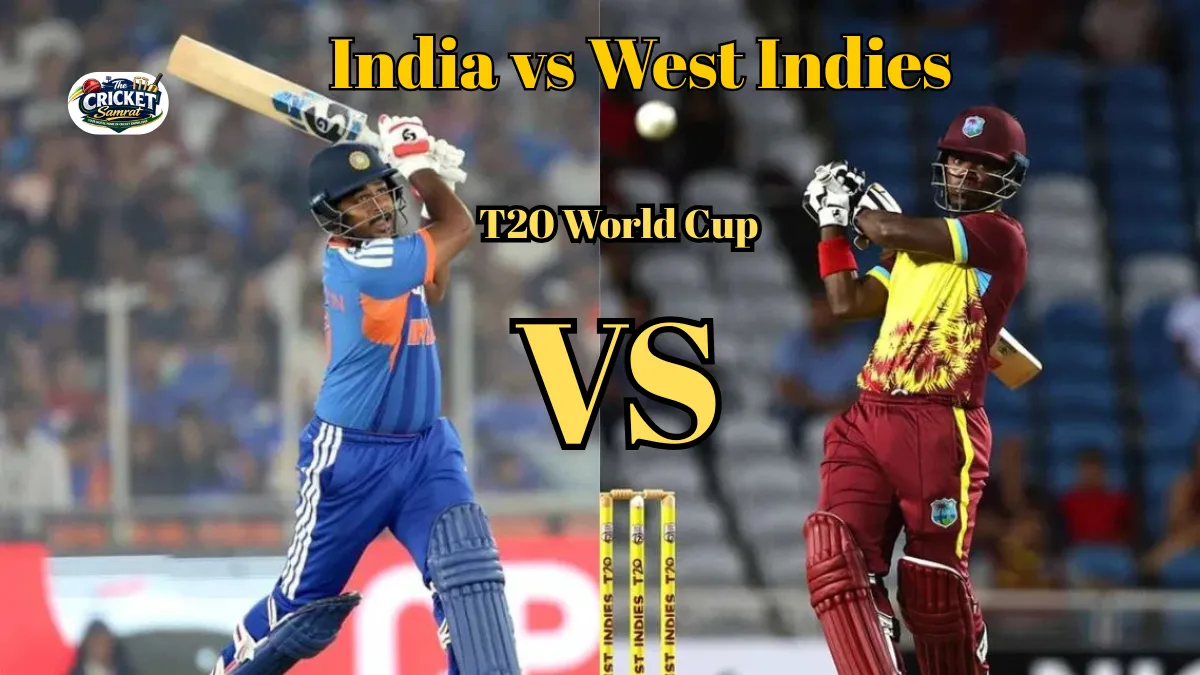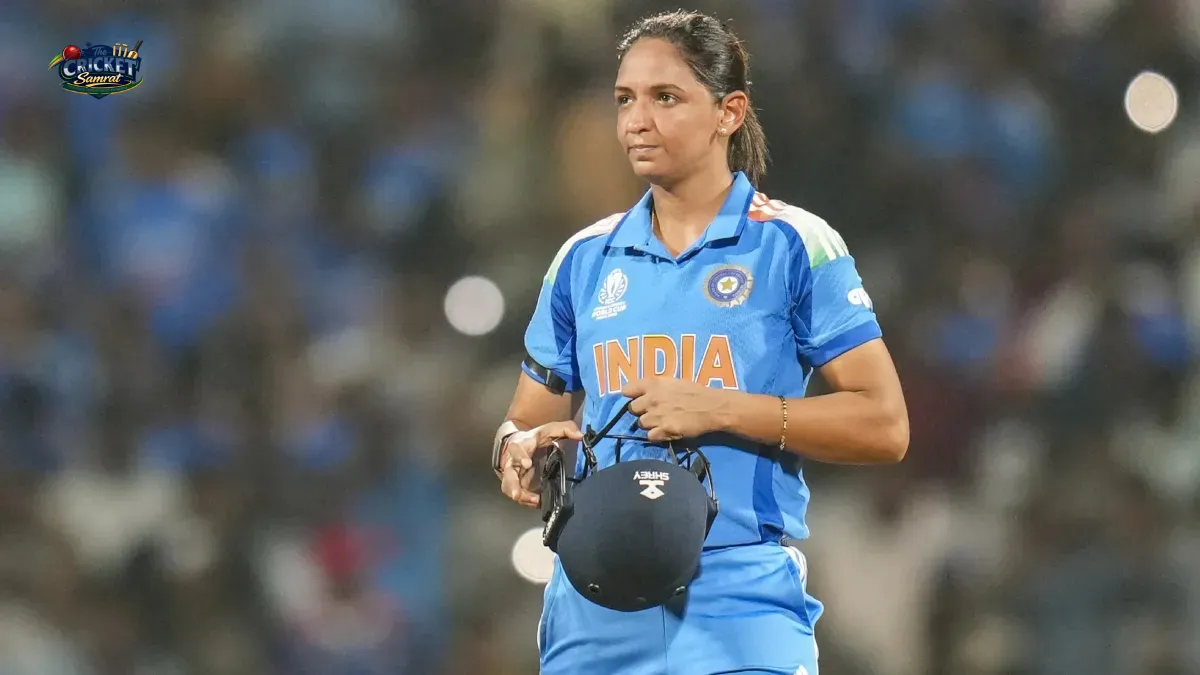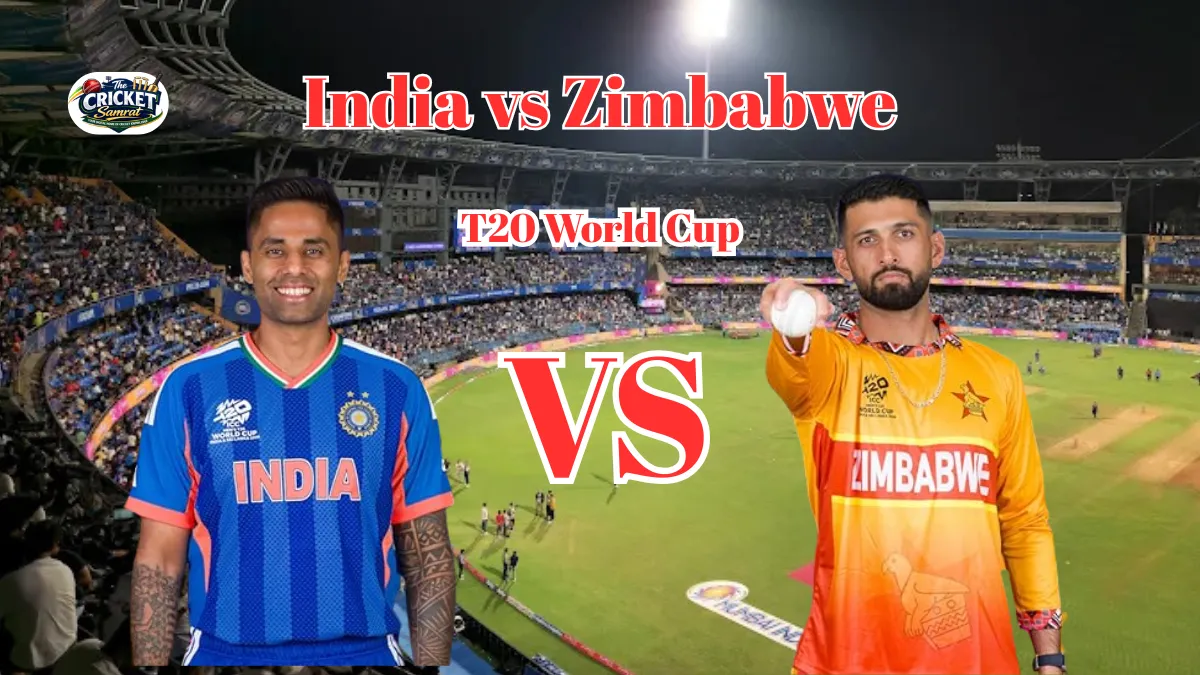
ind vs sa: As the T20 World Cup reaches the crucial Super 8 stage, India will face South Africa in what promises to be a high-stakes encounter on Sunday night. The match is not just another fixture on the calendar; it represents a litmus test for India’s revamped batting approach, led by skipper Suryakumar Yadav and the dynamic Tilak Varma. Their revised strategy of playing anchor innings rather than chasing big strokes will be under intense scrutiny against a South African side that has consistently found ways to exploit weaknesses in opposition line-ups.
The South African squad boasts a potent bowling attack, featuring the likes of Kagiso Rabada, Lungi Ngidi, Marco Jansen, Keshav Maharaj, and all-rounder Aiden Markram. The Proteas have spent the past months analyzing India’s batting patterns, and the familiarity between the two sides—having faced each other five times in the last two months—adds another layer of intrigue to the matchup. Which team will leverage this familiarity better remains to be seen.
India, on their part, have largely cruised through the group stages without being severely tested. Yet, the home favourites are acutely aware that their batting, especially in the top order, has left much to be desired. Apart from opener Ishan Kishan, who has impressed with two fifties and a strike rate exceeding 200, the other top-order batters have struggled to dominate.
Top-Order Concerns: Can India Find Stability?
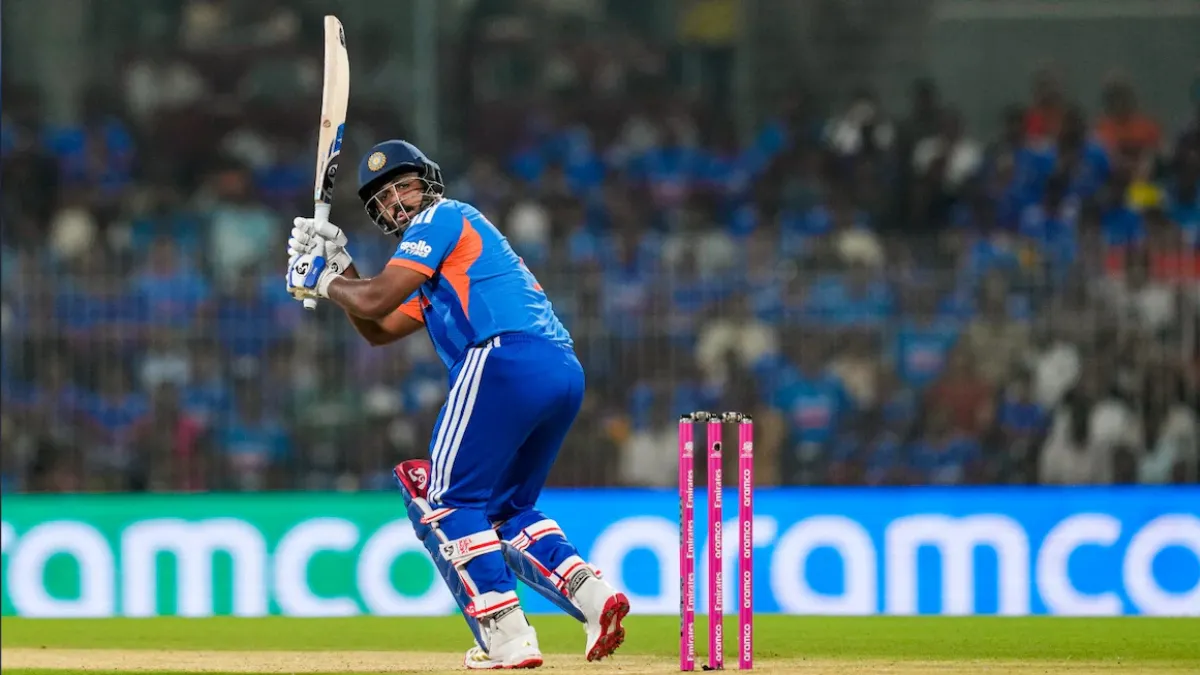
Abhishek Sharma has been particularly disappointing, registering three ducks in the tournament so far. While Suryakumar Yadav and Tilak Varma have tried to justify their anchor-first approach, both have looked tentative on surfaces that offer turn or seam movement. Against Pakistan, Tilak managed 25 off 24 balls, followed by 25 off 21 against Namibia, and a painstaking 31 off 27 against the Netherlands. His tournament strike rate of just above 120 falls short of his career average of 141.
Similarly, Suryakumar Yadav, despite a match-winning 84* against a weakened United States side, has been inconsistent. His strike rate of 136-plus in the tournament lags behind his career mark of 163-plus. For a team that relies on aggressive batting across eight top-order slots, having two key batters struggling to accelerate can put immense pressure on the middle and lower order.
| Player | Matches | Runs | Strike Rate | Form Concern |
|---|---|---|---|---|
| Tilak Varma | 4 | 106 | 120+ | Slow scoring in most games |
| Suryakumar Yadav | 4 | 98* | 136+ | Inconsistent strokes |
| Abhishek Sharma | 3 | 0 | 0 | Three consecutive ducks |
| Ishan Kishan | 4 | 105 | 202 | In-form opener |
The table above highlights India’s top-order struggles. While the team’s overall batting firepower is unquestionable, the early wickets and slow starts have occasionally forced reliance on the big hitters at the back end, namely Hardik Pandya and Shivam Dube, who have provided the required acceleration with strike rates of 155 and 178, respectively.
Bowling Strength: India’s Primary Asset
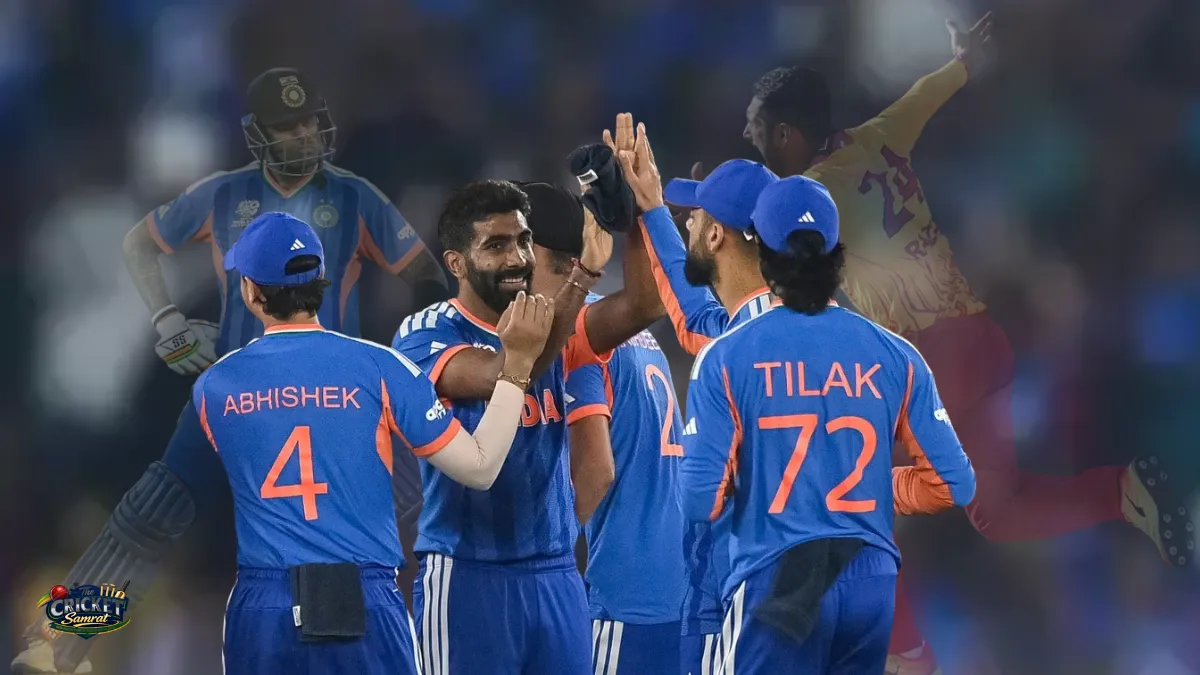
Despite top-order concerns, India’s bowling attack continues to instill fear in opponents. The combination of Jasprit Bumrah and Varun Chakravarthy has been lethal in the initial stages of the tournament. Chakravarthy has taken nine wickets in four games, maintaining an economy rate of just 5.16, while Bumrah has conceded a miserly six runs per over in his outings.
This duo forms the backbone of India’s bowling strategy, but the Super 8 encounter with South Africa will be a stern test. The Proteas boast a top-seven batting line-up featuring explosive talent such as Quinton de Kock, Aiden Markram, Dewald Brevis, Tristan Stubbs, Ryan Rickleton, David Miller, and Marco Jansen. The Indian bowlers will need to execute precision bowling, maintain pressure, and strike at key moments to ensure the opposition does not dominate.
| Bowler | Matches | Wickets | Economy Rate | Notes |
|---|---|---|---|---|
| Jasprit Bumrah | 3 | 7 | 6.0 | Experienced strike bowler |
| Varun Chakravarthy | 4 | 9 | 5.16 | Spin threat on slow tracks |
| Kuldeep Yadav | TBD | TBD | TBD | Expected to replace Arshdeep Singh |
| Axar Patel | TBD | TBD | TBD | Returns after one-match rest |
India are expected to make a few tactical changes for the clash. Kuldeep Yadav is likely to replace Arshdeep Singh, while Axar Patel returns to the playing XI in place of Washington Sundar. These adjustments aim to strengthen both spin and batting depth in anticipation of South Africa’s high-caliber bowling attack.
South Africa: Ready to Strike
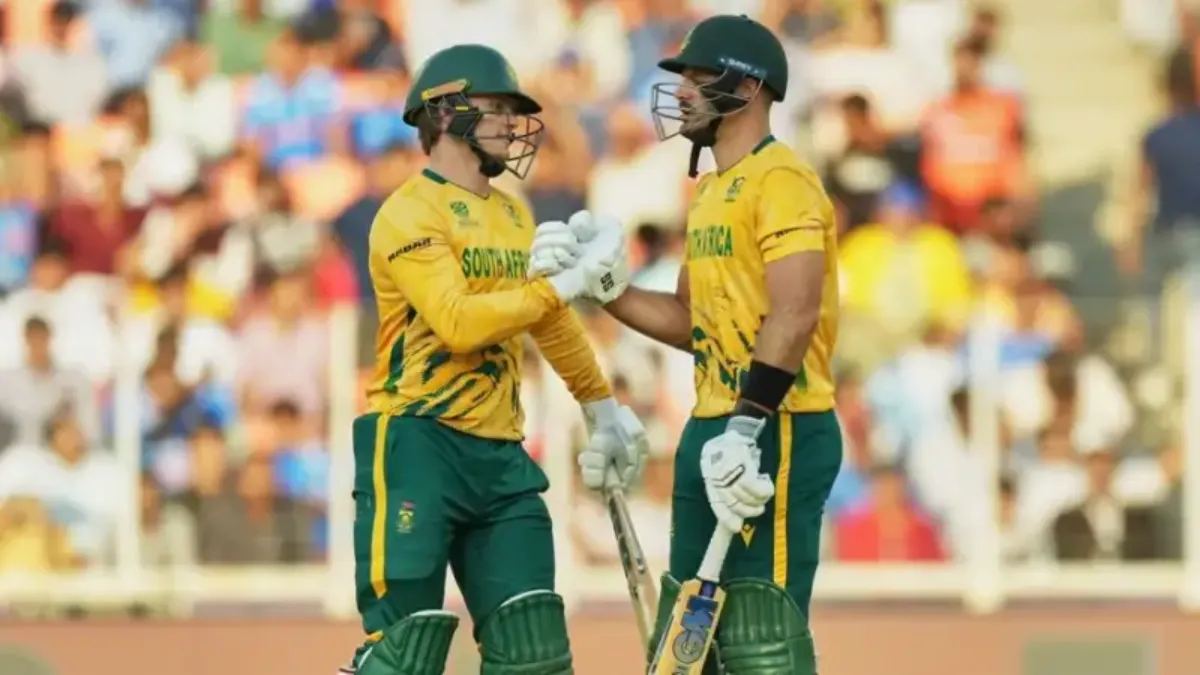
South Africa, rested strategically in previous games against the UAE, will return with a full-strength side including Marco Jansen, Lungi Ngidi, and Keshav Maharaj. The Proteas’ bowlers have the pace, variation, and experience to exploit any weaknesses in India’s batting. In addition, Markram’s captaincy and the explosive power of de Kock at the top of the order make them formidable contenders.
| Player | Role | Key Strengths |
|---|---|---|
| Aiden Markram | Captain | Tactical leadership, middle-order stability |
| Quinton de Kock | WK/Batsman | Aggressive starts, sharp wicketkeeping |
| Marco Jansen | Bowler | Swing and bounce, versatile bowler |
| Kagiso Rabada | Bowler | Express pace, wicket-taking ability |
| Lungi Ngidi | Bowler | Left-arm pace, death overs specialist |
| Keshav Maharaj | Bowler | Spin variations, control in middle overs |
South Africa’s approach will likely test India’s patience at the crease. The Proteas are adept at exploiting early uncertainty among batters and applying pressure through tight overs, especially during the Powerplay. With off-spinners and variations in pace, India’s reliance on anchor innings could either pay off or backfire if early wickets fall.
Tactical Battle: Anchor vs Aggression
The ongoing debate about India’s approach—playing cautiously versus attacking freely—is central to the ind vs sa narrative. In tournaments like the T20 World Cup, discretion does not always equate to success. The Indian strategy of holding innings together may clash with the Proteas’ aggressive bowling, making this clash a crucial indicator of India’s prospects in the business end of the tournament.
The key question remains: Can Tilak Varma and Suryakumar Yadav accelerate when needed, or will the top-order continue to labor under pressure? How India manages these scenarios could define the match outcome.
Head-to-Head: Recent Meetings
The two teams have met five times in the past two months, making this the sixth encounter. Historically, familiarity has been both a blessing and a challenge. Teams often adapt to each other’s tactics, meaning small details—like strike rotation, field placements, or bowling variations—can influence the outcome.
Full Squad Lists for Super 8 Clash
India Squad:
- Suryakumar Yadav (Captain)
- Ishan Kishan (WK)
- Abhishek Sharma
- Tilak Varma
- Shivam Dube
- Hardik Pandya
- Rinku Singh
- Axar Patel
- Kuldeep Yadav
- Jasprit Bumrah
- Varun Chakravarthy
- Sanju Samson (WK)
- Mohammed Siraj
- Washington Sundar
- Arshdeep Singh
South Africa Squad:
- Aiden Markram (Captain)
- Quinton de Kock (WK)
- Ryan Rickleton
- Dewald Brevis
- Tristan Stubbs
- David Miller
- Marco Jansen
- Kagiso Rabada
- Lungi Ngidi
- Keshav Maharaj
- Corbin Bosch
- Anrich Nortje
- Kwena Maphaka
- George Linde
- Jason Smith
Key Match Predictions and Analysis
- Top-Order Stability: India will rely heavily on Kishan, Tilak, and Suryakumar to provide a solid start. Any early breakthroughs for South Africa could shift momentum dramatically.
- Power Hitting: Hardik Pandya and Shivam Dube will be crucial in accelerating the innings, particularly in the final overs.
- Bowling Matchups: Bumrah and Chakravarthy will need to execute disciplined plans against a top-order filled with aggressive batters like de Kock and Markram.
- Fielding & Running: In T20 cricket, every single run and fielding effort counts. India must minimize extras and capitalize on half-chances.
Also read: New Zealand vs Pakistan: Super 8 Clash Set for High-Stakes Showdown in Colombo
Conclusion
The ind vs sa Super 8 clash is more than a game; it is a litmus test for India’s championship credentials and tactical approach. With a mix of form concerns, anchor-based strategies, and South Africa’s lethal bowling arsenal, the encounter promises intense cricket and strategic intrigue. For fans, analysts, and fantasy cricket players, this match could define the trajectory of both teams in the tournament.
India’s ability to adapt, accelerate, and execute under pressure will be central to determining whether they can continue their T20 World Cup journey as defending champions.