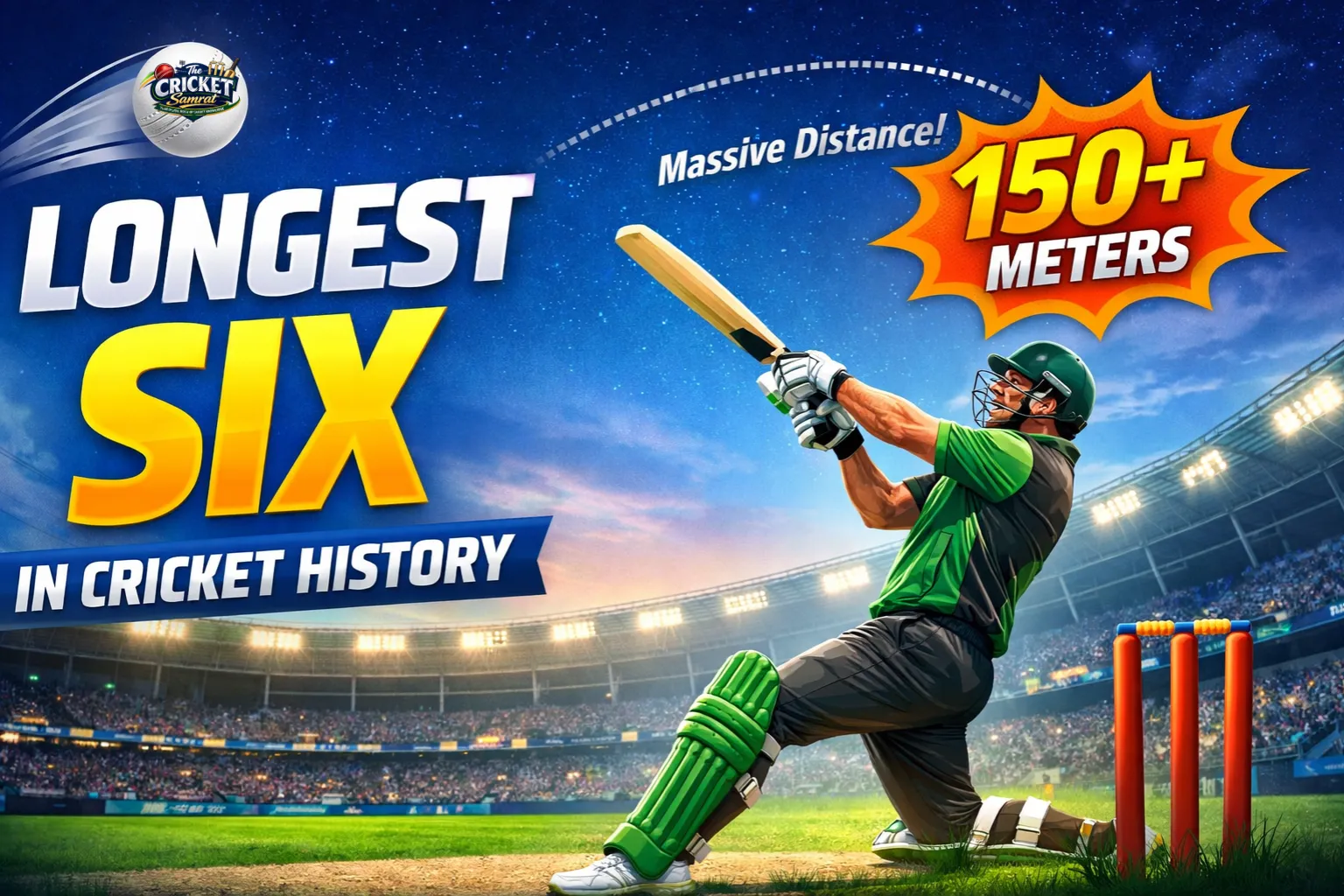
Longest six in cricket history is a phrase that instantly excites cricket fans across the world, because it represents raw power, perfect timing, and unforgettable moments on the field. From massive stadiums to international grounds, some sixes have travelled such unbelievable distances that they are still discussed years later. This article takes a deep and simple look at the longest six in cricket history, the players behind these hits, how distances are measured, and why these moments matter so much in the game.
Cricket has always been a sport of skill and patience, but six-hitting brings drama, entertainment, and instant impact. When a batsman sends the ball soaring out of the ground, it changes the mood of the match and leaves fans in awe. Over time, many powerful hitters have claimed to hit the longest six in cricket history, but only a few names truly stand out.
What Does the Longest Six in Cricket History Really Mean?
The term longest six in cricket history refers to a six-hit that travels an exceptionally long distance after being struck by a batsman. Unlike normal sixes that clear the boundary rope, these shots often leave the stadium entirely or land deep into the stands.
Measuring the exact distance of a six is not always easy. Different grounds, camera angles, bounce after landing, and lack of advanced tracking in older matches make it difficult to confirm precise figures. Because of this, many claims about the longest six in cricket history are based on estimates, expert opinions, and available footage rather than official records.
Despite this challenge, certain sixes are widely accepted and remembered due to their sheer power and the credibility of match reports.
Shahid Afridi and the Most Famous Claim
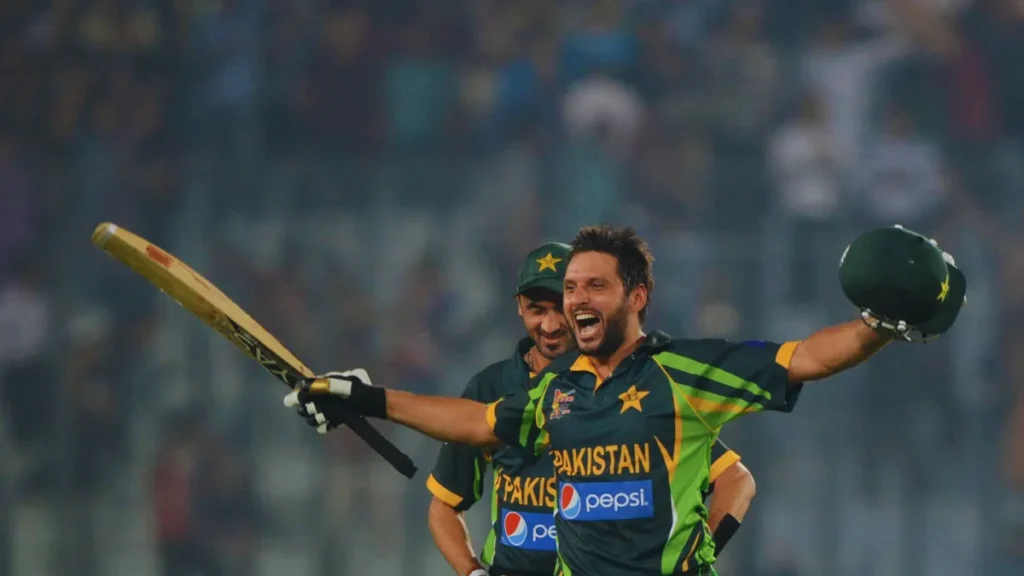
When people talk about the longest six in cricket history, Shahid Afridi’s name almost always comes first. In 1996, Afridi reportedly hit a six measuring around 158 meters during a match in South Africa. This shot was so powerful that it went far beyond the boundary and shocked everyone present at the ground.
Afridi was known for his fearless batting style and incredible strength. His ability to clear boundaries with ease earned him the nickname “Boom Boom.” While the exact distance of his famous six cannot be officially confirmed with modern technology, it remains one of the strongest claims for the longest six in cricket history.
What makes Afridi’s six special is not just the distance, but the era in which it was hit. At that time, bats were heavier, pitch conditions were tougher, and fitness standards were different. This adds even more respect to his achievement.
Brett Lee’s Surprising Power-Hit
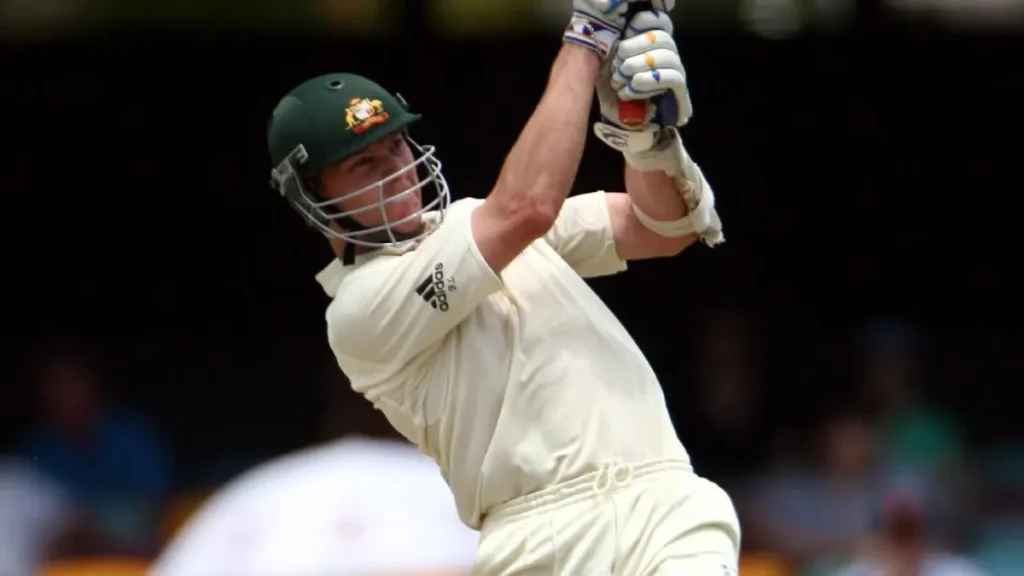
Another unforgettable moment in the debate around the longest six in cricket history came from an unexpected name: Brett Lee. Known mainly as a fast bowler, Lee stunned everyone during a Test match against West Indies in 2005 by hitting a massive six off Darren Powell.
This shot was estimated to have travelled around 130 to 135 meters. What made it remarkable was that Lee was not known as a big hitter. The timing, balance, and raw power of that stroke showed that even bowlers can produce magical moments with the bat.
This six is often shown in highlight reels and is considered one of the longest sixes ever hit in Test cricket.
Chris Gayle and the Modern Power Era
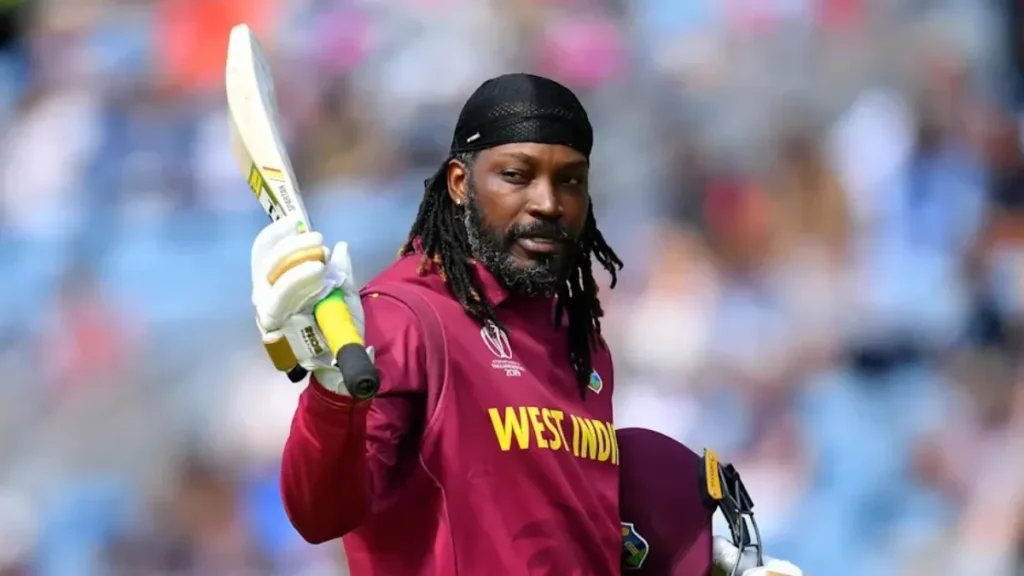
In the modern era, no discussion about the longest six in cricket history is complete without mentioning Chris Gayle. Known as the “Universe Boss,” Gayle redefined power hitting in limited-overs cricket. He has hit some of the longest sixes in international cricket and T20 leagues around the world.
One of Gayle’s most talked-about sixes came during the Indian Premier League, where he reportedly hit a ball over 119 meters. Gayle’s strength, combined with modern bats and flatter pitches, allows him to consistently clear huge boundaries.
While Gayle may not hold the absolute record for the longest six in cricket history, his consistency in hitting extremely long sixes sets him apart from most players.
Yuvraj Singh’s Iconic Power Display
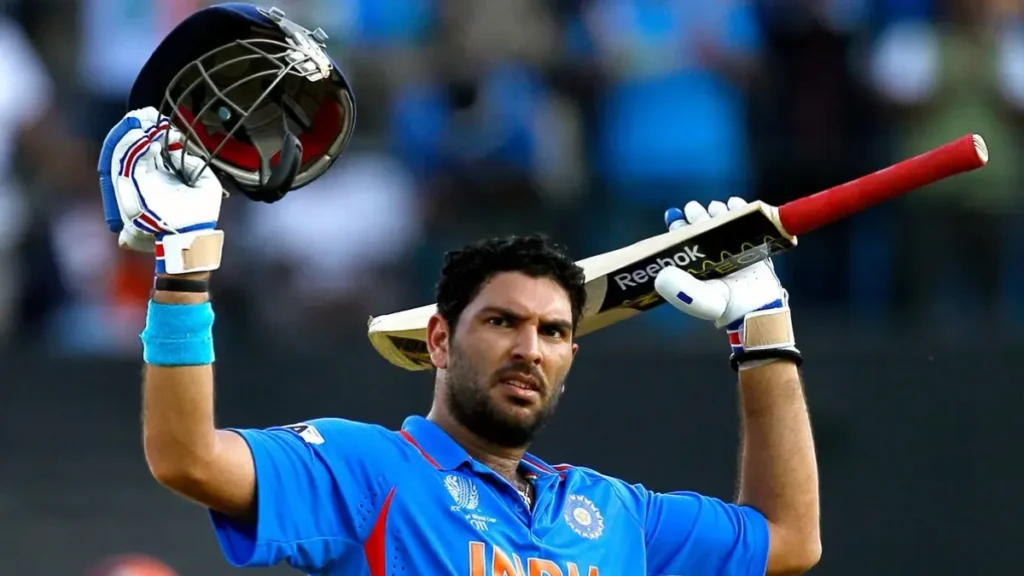
Yuvraj Singh is remembered not only for his match-winning performances but also for his incredible six-hitting ability. His six sixes in an over against England in the 2007 T20 World Cup remain legendary.
Although those sixes were not officially measured as the longest six in cricket history, several of Yuvraj’s hits during his career travelled well over 110 meters. His clean swing, strong wrists, and fearless approach made him one of India’s most dangerous hitters.
Yuvraj proved that timing and technique can be just as important as brute strength when it comes to hitting long sixes.
MS Dhoni and Helicopter Shot Power
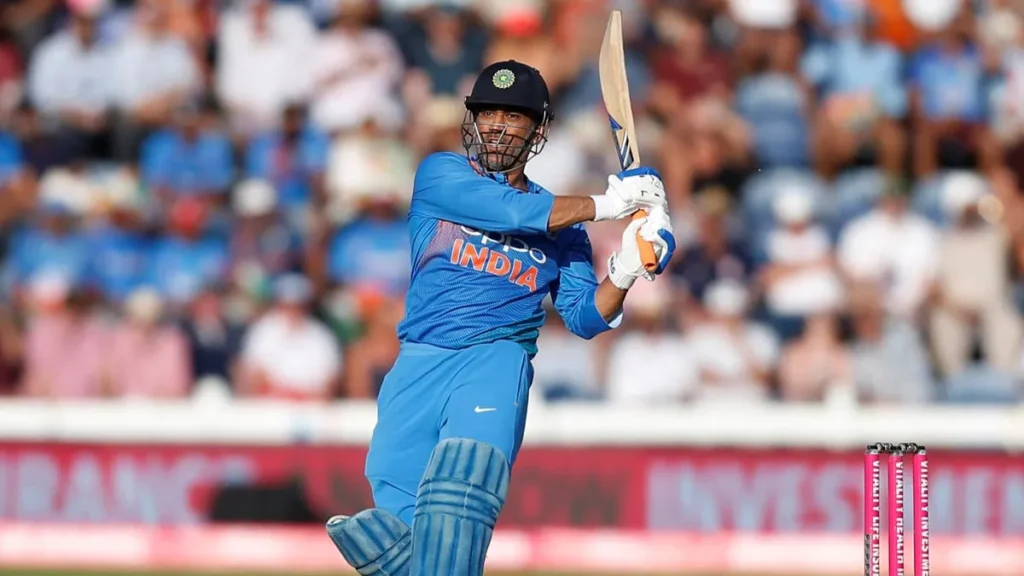
MS Dhoni is another name often linked with massive sixes. Known for his calm nature and explosive finishing, Dhoni has hit numerous long sixes, especially with his famous helicopter shot.
Some of Dhoni’s sixes have been estimated at over 112 meters, particularly in international matches and the IPL. While he may not top the list for the longest six in cricket history, his ability to hit powerful shots under pressure has made his sixes some of the most memorable in the game.
Dhoni’s success shows how core strength and bat speed play a crucial role in hitting long sixes.
Albert Trott and an Early Cricket Legend
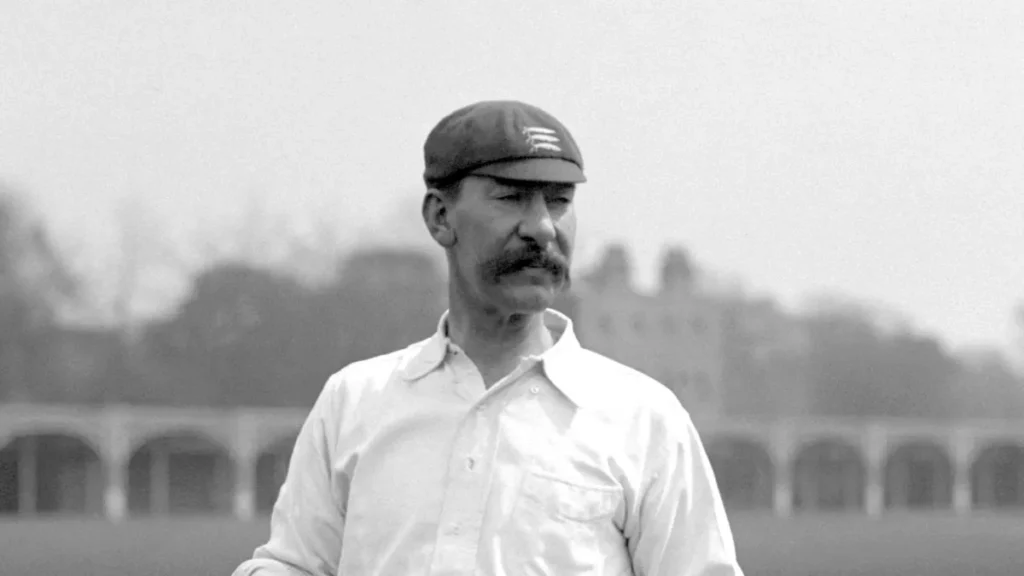
Long before modern cricket, Albert Trott made history in 1899 by hitting a ball over the Lord’s pavilion during an Ashes Test match. This was an extraordinary feat at a time when equipment was basic and boundaries were large.
Although no exact measurement exists, Trott’s six is often considered one of the longest sixes in cricket history relative to its era. It remains a symbol of early cricketing power and innovation.
This moment proves that big hitting is not just a modern phenomenon, but has always been part of cricket’s charm.
Longest Six in Cricket History in T20 Leagues
With the rise of T20 cricket, batsmen now focus more on power hitting than ever before. Shorter boundaries, better bats, and flatter pitches have led to an increase in massive sixes.
Players like Andre Russell, Kieron Pollard, and Glenn Maxwell have all hit sixes measuring over 115 meters in various leagues. While none of these shots are officially confirmed as the longest six in cricket history, they showcase how the game has evolved.
T20 leagues have also introduced ball-tracking technology, making distance measurements more accurate than in the past.
How Six Distance Is Measured Today
Modern cricket uses tools like Hawk-Eye, ball-tracking systems, and high-speed cameras to estimate how far a six travels. These technologies measure the angle, speed, and landing point of the ball.
Despite this, not all stadiums have the same technology, and not every six is measured. This is why debates around the longest six in cricket history continue even today.
Older matches rely heavily on visual evidence and expert opinion, which makes comparisons across eras difficult but fascinating.
Bat Technology and Its Impact
One important factor in discussions about the longest six in cricket history is bat technology. Modern bats are lighter, have thicker edges, and offer more power even on mistimed shots.
In contrast, older bats were heavier and less forgiving. This means that sixes hit decades ago required more physical effort and perfect timing.
While modern players benefit from better equipment, it does not take away from the skill needed to hit extremely long sixes under match pressure.
Also read: Who Is the Best Captain in Cricket History: A Complete and Honest Analysis
Ground Size and Playing Conditions
The size of the ground plays a major role in how far a six appears to travel. Some stadiums have shorter boundaries, while others are known for their large dimensions.
Altitude, wind direction, and pitch conditions can also affect the distance of a six. High-altitude grounds allow the ball to travel further due to thinner air.
These factors make it challenging to declare one single shot as the undisputed longest six in cricket history.
Why Fans Love Massive Sixes
Sixes are the most exciting shots in cricket. A long six can change momentum, boost team morale, and silence opposition fans instantly.
The longest six in cricket history represents the peak of batting power and is remembered long after the match ends. Fans replay these moments, share videos, and debate distances with passion.
These shots create emotional connections between players and supporters, making cricket more than just a sport.
Also read: Who Hit the Longest Six in Cricket History: A Complete and Clear Answer
Conclusion on the Longest Six in Cricket History
The question of the longest six in cricket history may never have one final, official answer. Different eras, technologies, and playing conditions make direct comparisons difficult. However, players like Shahid Afridi, Brett Lee, Chris Gayle, and others have all produced moments that deserve recognition.
What truly matters is the impact of these shots on the game and its fans. Each massive six tells a story of confidence, strength, and fearless cricket. As the sport continues to evolve, new records may be set, but the legends of the past will always remain part of cricket folklore.
The longest six in cricket history is not just about distance, but about the unforgettable feeling when bat meets ball and the crowd erupts in wonder.