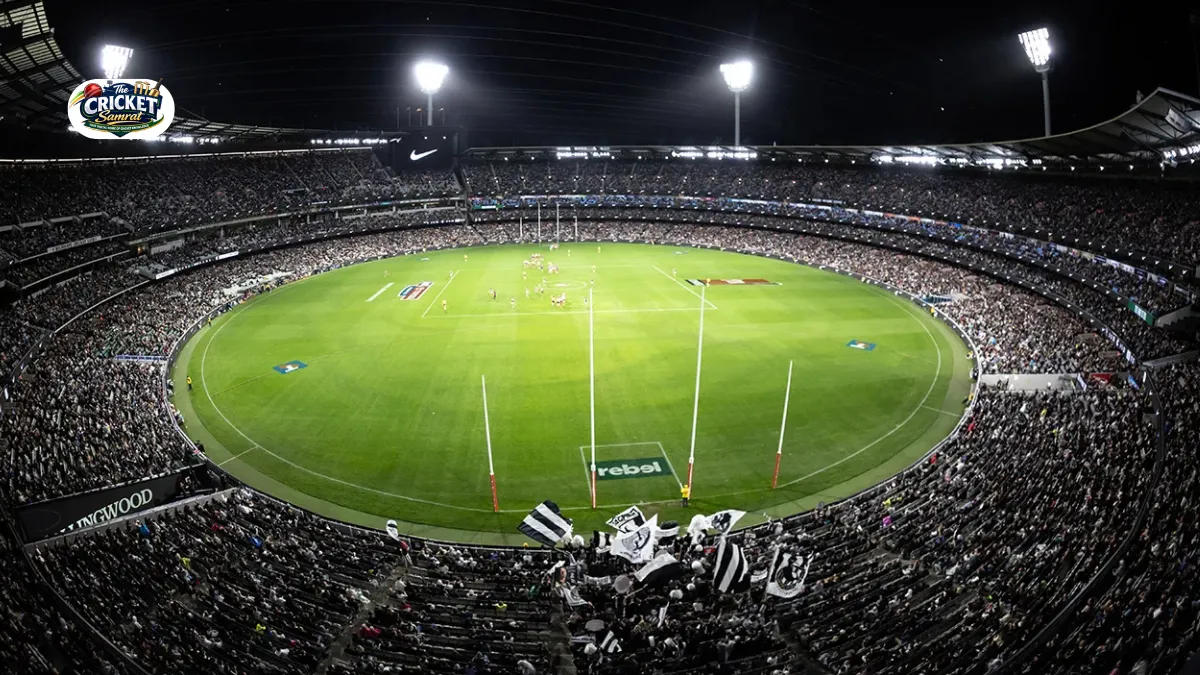
The melbourne cricket ground stands as one of the most celebrated and historically significant sporting venues anywhere in the world. Known affectionately as “The G” by locals, this stadium is far more than a cricket field. It is a symbol of Australian identity, a cathedral of sport, and a venue that has shaped generations of unforgettable sporting moments.
Located just minutes from Melbourne’s central business district, the melbourne cricket ground has been at the heart of Australian sport since 1853. Over the past century and a half, it has hosted legendary cricket matches, dramatic Australian Rules Football finals, global tournaments, and even the Olympic Games. With a seating capacity that makes it the largest stadium in Australia, the MCG continues to set the benchmark for world-class sporting facilities.
This comprehensive guide explores the history, structure, pitch conditions, major events, visitor experience, and enduring legacy of the melbourne cricket ground.
Melbourne Cricket Ground Overview
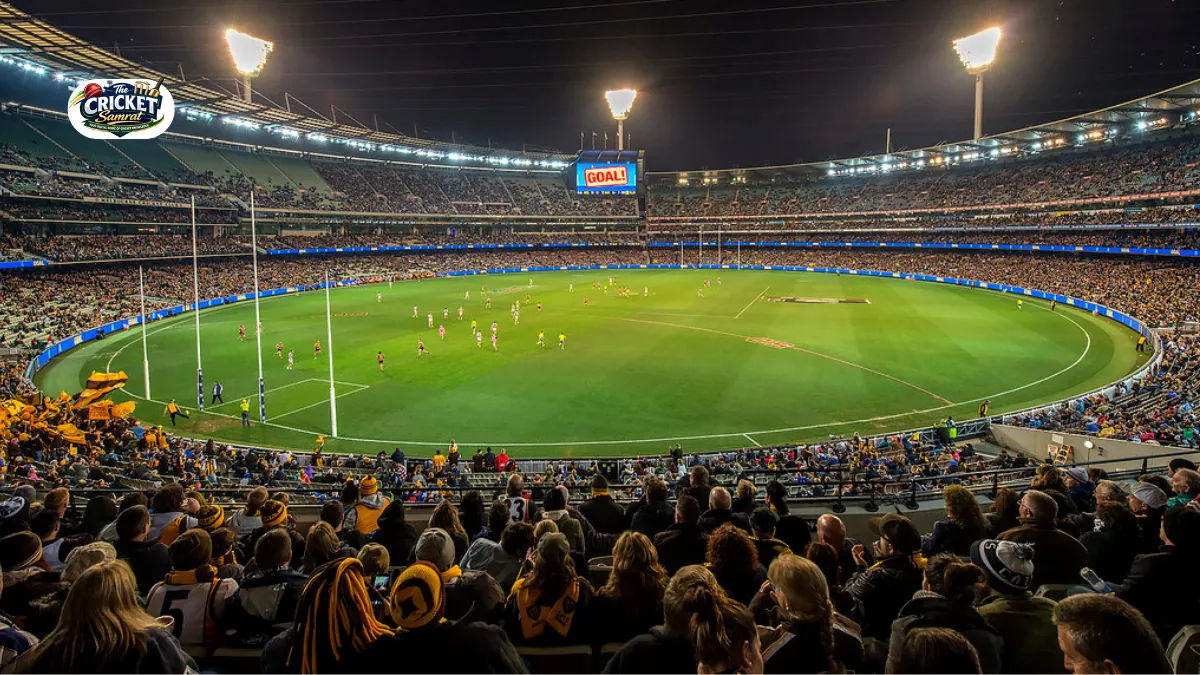
Below is a detailed snapshot of the stadium’s key facts:
| Feature | Details |
|---|---|
| Official Name | Melbourne Cricket Ground |
| Also Known As | MCG, “The G” |
| Established | 1853 |
| Seating Capacity | Approximately 90,000–100,000 (modern configuration) |
| Previous Capacity | Around 125,000 before redevelopment |
| Playing Area Dimensions | 172.9 metres long, 147.8 metres wide |
| Pitch Type | Natural Grass |
| End Names | Members End, Great Southern Stand End |
| Floodlights Installed | March 1985 |
| Home Teams | Australia (Cricket), Victoria (Cricket) |
| Other Major Sports | Australian Rules Football, Soccer, Rugby Union, Rugby League, Lawn Bowls, Squash |
| Curator | David Sandurski |
| Location | Yarra Park, Melbourne, Australia |
A Historic Beginning: Established in 1853
The melbourne cricket ground was established in 1853, making it one of the oldest cricket stadiums still in use today. Managed by the Melbourne Cricket Club (founded in 1838), the venue quickly became the focal point of cricket in Australia.
In its early years, the ground was far simpler than the massive arena we see today. However, as cricket grew in popularity across the British Empire, the stadium expanded to accommodate larger crowds. By the late 19th and early 20th centuries, the MCG had already become the centrepiece of major cricket contests, including Ashes battles between Australia and England.
The Olympic Legacy: 1956 Summer Games
The melbourne cricket ground achieved global recognition when it hosted the 1956 Summer Olympics. The stadium served as the primary venue for the opening and closing ceremonies and several sporting competitions.
This historic event cemented the MCG’s reputation as a world-class multi-sport arena. Few cricket grounds in the world can claim to have staged an Olympic Games, further elevating the prestige of the melbourne cricket ground.
Stadium Design and Architecture
The MCG is a vast oval-shaped stadium designed to accommodate both cricket and Australian Rules Football. Over the decades, extensive renovations have modernised the venue while preserving its traditional character.
Major Stands at the MCG
The stadium is divided into several prominent sections:
- Great Southern Stand – Completed in 1992, this three-tiered stand holds nearly 50,000 spectators and forms a commanding presence on one side of the ground.
- Ponsford Stand
- Olympic Stand
- Members’ Reserve
Before redevelopment in the 1980s and 1990s, the stadium could hold approximately 125,000 spectators. However, safety upgrades and the transition to individual seating reduced the modern capacity to around 97,000–100,000. Even so, it remains Australia’s largest stadium.
Modern upgrades include:
- Two giant electronic scoreboards
- Advanced floodlighting (installed in 1985)
- Corporate hospitality suites
- Media facilities
- Player dressing rooms meeting international standards
Location and Accessibility
Situated in Yarra Park, just east of Melbourne’s CBD, the melbourne cricket ground is remarkably accessible.
Public Transport Access
- Richmond Station – Walking distance
- Jolimont Station – Closest station to the stadium
- Multiple tram and bus routes serve the area
- Special event transport services operate on major match days
One of the most charming aspects of the MCG’s location is that many office workers simply walk from the city centre after work to catch an evening session of cricket.
Pitch Report: Nature and Playing Conditions
The melbourne cricket ground pitch has traditionally offered balanced conditions, rewarding both batsmen and bowlers.
Test Matches
- Early Days: Seam bowlers benefit from bounce and carry.
- Middle Stages: The pitch flattens out, favouring batsmen.
- Final Days: Wear and tear assist spin bowlers.
Historically, curators faced criticism in the 1980s and early 1990s for producing low, slow surfaces. However, overall, the MCG has provided fair contests between bat and ball for most of its history.
Limited-Overs Matches
In One Day Internationals and T20 matches:
- The pitch often supports high-scoring games.
- Large boundaries (172.9m x 147.8m) require excellent timing.
- Variations in pace and length remain crucial for bowlers.
- Melbourne’s unpredictable weather can influence outcomes.
The current pitch curator, David Sandurski, oversees preparation to maintain international standards.
Legendary Cricket Matches at the MCG
The melbourne cricket ground has hosted some of cricket’s most memorable encounters.
1982–83 Ashes Test
An unforgettable Test between Australia and England that showcased dramatic momentum swings.
1987–88 Australia vs New Zealand Decider
A thrilling match remembered for its intensity and high stakes.
1992 Cricket World Cup Final
The MCG hosted the final of the 1992 Cricket World Cup, where Pakistan national cricket team defeated England cricket team in front of a massive crowd.
2015 Cricket World Cup Final
One of the most iconic recent events was the final of the 2015 ICC Cricket World Cup, where Australia national cricket team lifted the trophy at home.
The Boxing Day Test Tradition
Every year on December 26, the MCG hosts the famous Boxing Day Test. This annual fixture is one of the most anticipated events in international cricket.
Thousands of fans pack the melbourne cricket ground each year for this marquee match, making it a highlight of the global cricket calendar.
Australian Rules Football: The AFL Grand Final
While cricket defines the summer months, Australian Rules Football dominates the winter.
The melbourne cricket ground is the primary venue for the AFL Grand Final, the biggest sporting event in Australia.
Tens of thousands of passionate supporters gather each year to watch the season’s two best teams battle for supremacy. The atmosphere during the Grand Final is widely regarded as one of the most electric experiences in global sport.
Several AFL clubs use the MCG as their home ground, reinforcing its role as the spiritual heart of Australian football.
Multi-Sport and Entertainment Venue
Beyond cricket and AFL, the melbourne cricket ground has hosted:
- Rugby Union
- Rugby League
- Soccer internationals
- Lawn Bowls
- Squash competitions
- Major concerts featuring global music stars
- Religious gatherings
- Community celebrations
Its versatility makes it one of the world’s premier multi-purpose venues.
National Sports Museum and Tours
Inside the stadium, visitors can explore the National Sports Museum, which celebrates Australia’s rich sporting history.
The museum features:
- Historic cricket memorabilia
- AFL exhibits
- Interactive displays
- Multimedia presentations
Guided tours allow access to:
- Players’ dressing rooms
- Media centre
- Long Room
- Members’ facilities
For visitors, a stadium tour offers a behind-the-scenes look at the melbourne cricket ground’s inner workings.
Records and Milestones
The MCG has witnessed:
- Countless centuries and five-wicket hauls
- Record attendance figures
- Career-defining performances
- Historic Ashes moments
- Global tournament finals
Few stadiums worldwide have hosted such a volume of high-stakes sporting drama.
Fan Experience and Facilities
The melbourne cricket ground provides a premium spectator experience.
Facilities Include:
- Wide food and beverage selection
- Accessible seating areas
- Clear digital scoreboards
- Security-managed entrances
- Corporate hospitality suites
- Family-friendly amenities
The stadium is designed to ensure comfort, safety, and visibility from nearly every seat.
Best Time to Visit
Your ideal time to visit depends on your sporting interest:
| Season | Event Highlights |
|---|---|
| December–January | Boxing Day Test, international cricket |
| February–March | Limited-overs cricket |
| March–September | AFL Season |
| Non-Match Days | Stadium tours and museum visits |
Cricket fans typically prefer summer, while AFL supporters plan visits during winter finals.
Why the Melbourne Cricket Ground Is So Special
The melbourne cricket ground is more than bricks and seats. It represents over 170 years of sporting passion. Generations of Australians have grown up watching heroes perform on this iconic oval.
It is a venue where:
- Cricketing legends wrote history.
- AFL dynasties were forged.
- Olympic dreams unfolded.
- World Cup trophies were lifted.
- Record crowds roared in unison.
Few stadiums in the world can rival its combination of scale, tradition, and emotional resonance.
Also read: M Chinnaswamy Stadium Pitch Report: Full History, Records, Stats, Matches & Complete Visitor Guide
Conclusion: A Global Sporting Icon
The melbourne cricket ground remains one of the most respected and historic sporting arenas on Earth. Since its establishment in 1853, it has evolved into a modern yet tradition-rich stadium capable of hosting events of global magnitude.
With its massive seating capacity, balanced pitch conditions, central location, and unmatched legacy, the melbourne cricket ground continues to stand at the forefront of international sport.
Whether you are a cricket enthusiast, an AFL supporter, or a traveller exploring Melbourne, visiting the MCG is more than attending a match — it is experiencing a living piece of sporting history.
For over a century and a half, the melbourne cricket ground has shaped the story of Australian sport. And with each new season, it continues to create memories that will endure for generations to come.