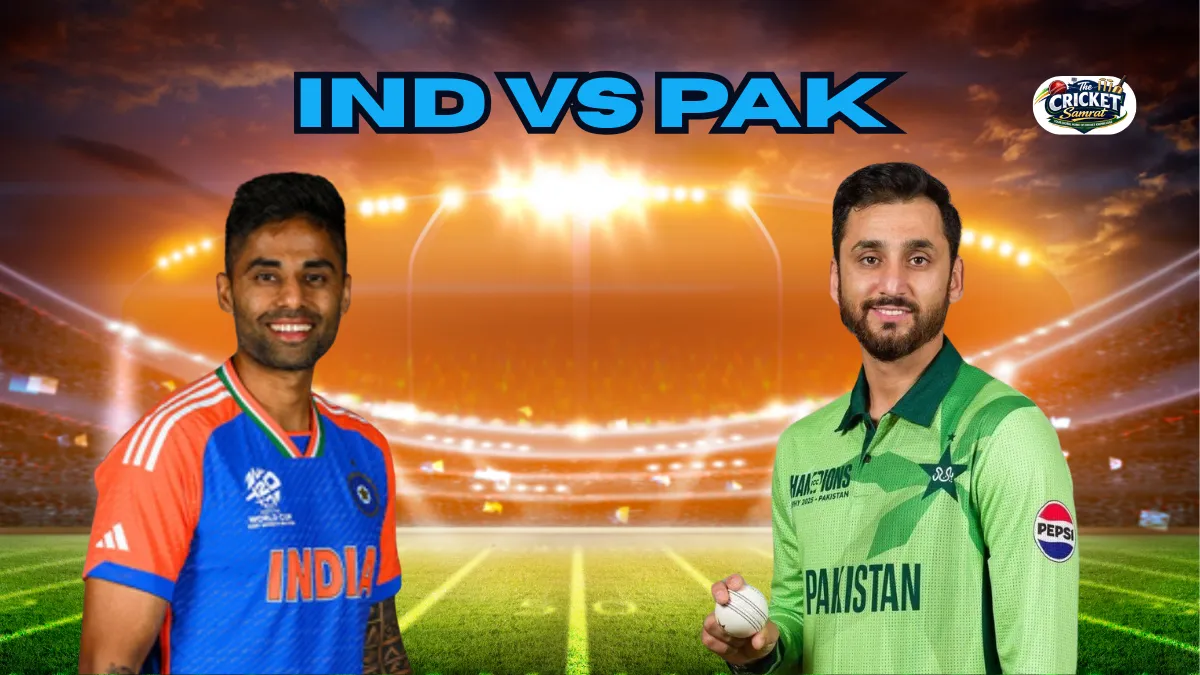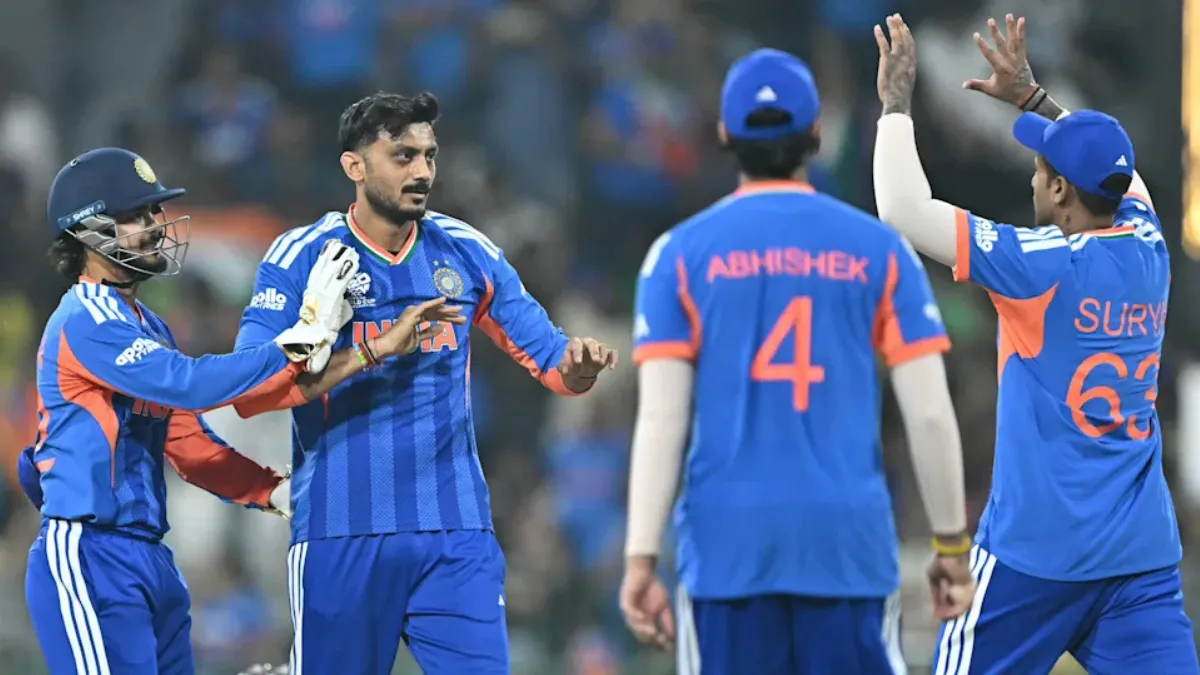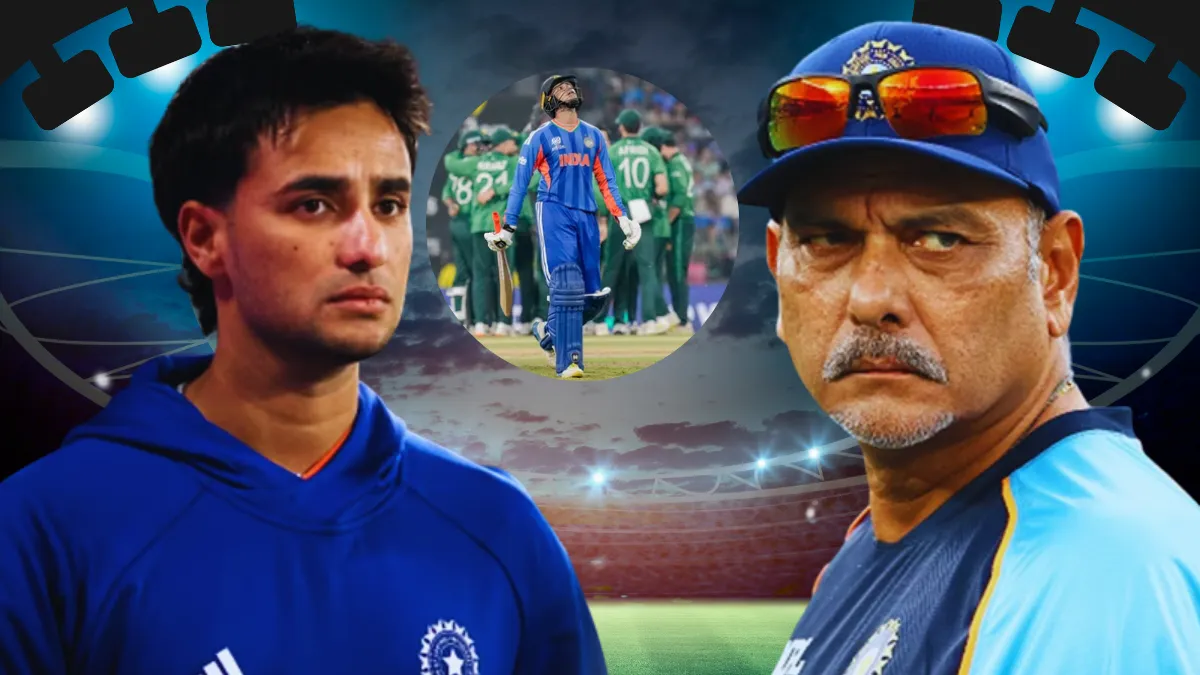
Ravi Shastri gave Abhishek Sharma some great advice. The former India head coach believes the young opener has all the talent required at the highest level, but insists that a touch more patience at the start of his innings could make a world of difference.
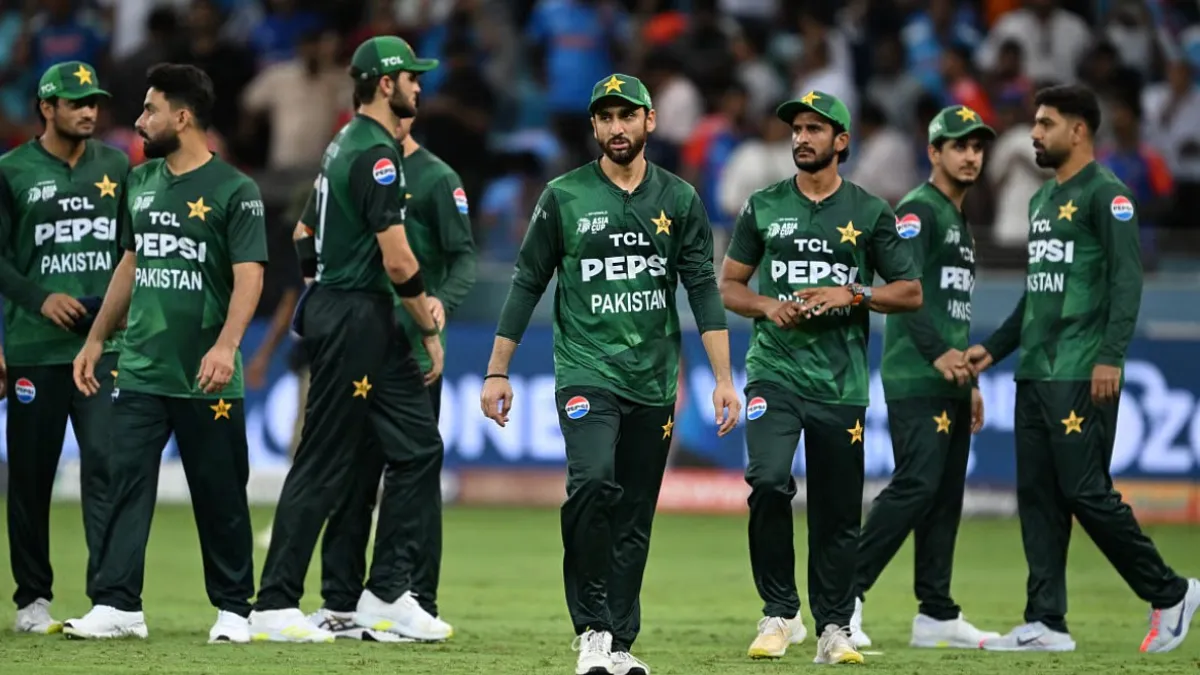
The comments came after India’s commanding 61-run victory over Pakistan, a high-intensity clash that once again captured global attention. While India celebrated a dominant performance, opener Abhishek Sharma endured a frustrating outing, departing for a duck. His early dismissal prompted former head coach Ravi Shastri to share some valuable insights about the youngster’s approach at the crease.
Shastri’s Advice: Time at the Crease Is Key
Speaking after the match, Shastri emphasized that Sharma possesses immense ability but needs to give himself more time before launching into attacking strokes.
“I think he is good enough to play at this level,” Shastri said. “But he needs to allow himself a little more time. These things happen. You can get frustrated, but it’s important to settle in before shifting gears.”
Shastri’s advice was clear: patience early on can help convert dot balls into boundaries later. According to him, once Sharma gets his eye in, clearing the ropes and finding gaps is rarely a problem. The challenge lies in surviving the initial phase when bowlers are fresh and conditions are still being assessed.
In high-pressure India-Pakistan encounters, even the most talented players can feel the heat. For a young batter like Sharma, composure in the opening overs can be the difference between a short stay and a match-defining knock.
Match Summary: India vs Pakistan
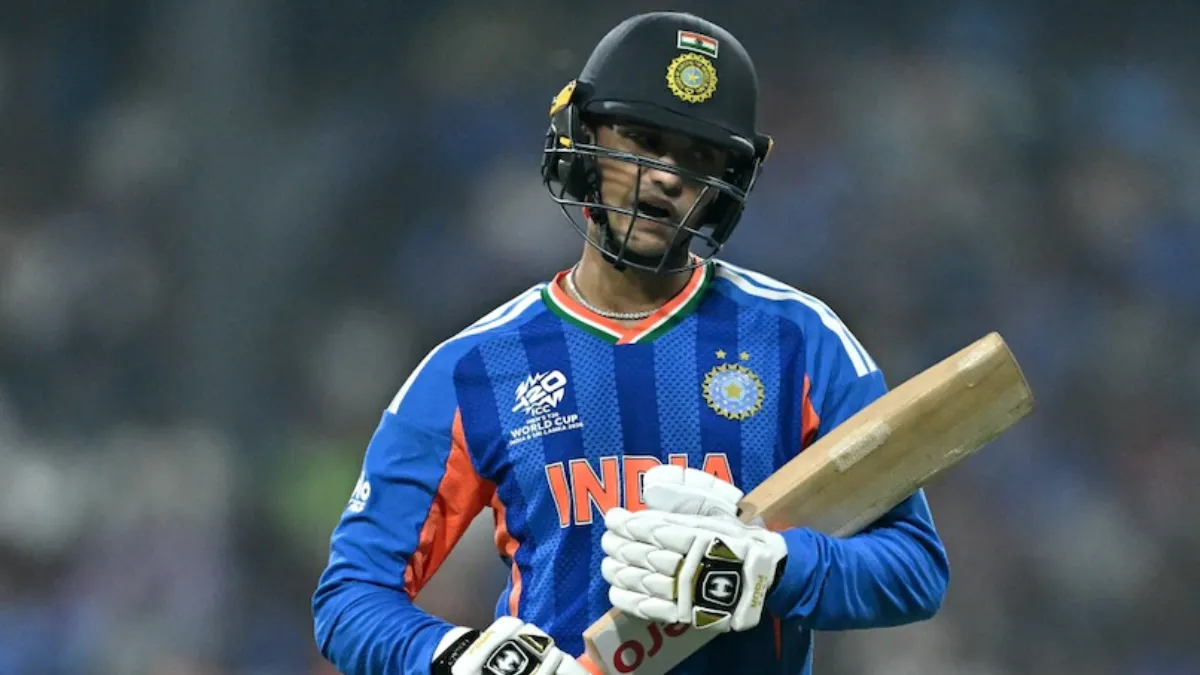
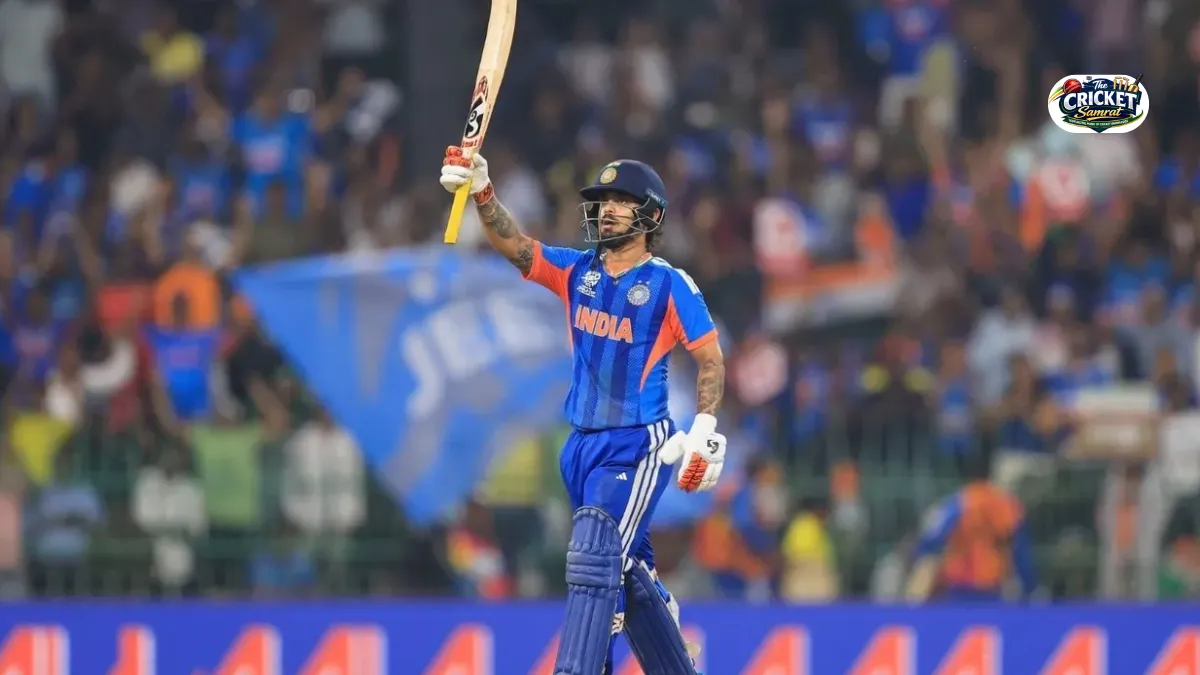
India’s victory was built on disciplined bowling and explosive middle-order batting. While Sharma’s early dismissal was a setback, the team quickly regained control thanks to a standout performance from wicketkeeper-batter Ishan Kishan.
Kishan played a breathtaking innings, scoring 77 runs off just 40 balls. His knock, which included powerful strokes and clever placement, earned him the Player of the Match award. It was his second consecutive half-century of the tournament, underlining his remarkable form.
Below is a quick statistical snapshot from the match:
| Player | Runs Scored | Balls Faced | Strike Rate | Result Impact |
|---|---|---|---|---|
| Abhishek Sharma | 0 | 1 | 0.00 | Early dismissal |
| Ishan Kishan | 77 | 40 | 192.50 | Player of the Match |
| Team India | — | — | — | Won by 61 runs |
Shastri Praises Ishan Kishan’s Form
While Sharma faced criticism for his early exit, Kishan received glowing praise from Shastri.
“He is batting like he’s in a dream,” Shastri remarked. “Scoring at close to a 200 strike rate on that surface was unbelievable.”
According to Shastri, the pitch was not the easiest to bat on. The ball was stopping slightly, making timing difficult for several batters. Yet Kishan adapted swiftly, reading the conditions and adjusting his strokeplay accordingly.
“Not every batter found it easy,” Shastri added. “The way he assessed the situation and accelerated was outstanding.”
Kishan’s ability to judge the surface early and then dominate the bowlers stood in contrast to Sharma’s brief stay at the crease. The comparison further highlighted Shastri’s point about patience and awareness.
Why Patience Matters in Modern T20 Cricket
In today’s aggressive T20 era, openers are often expected to attack from the very first ball. However, Shastri’s perspective suggests that controlled aggression can be more effective than blind hitting.
For players like Sharma, who naturally prefer attacking strokes, balancing flair with discipline becomes essential. Spending even a few extra deliveries assessing swing, bounce, and pace can significantly improve shot selection.
Former cricketers and analysts have often pointed out that the best T20 batters know when to accelerate. A steady start can lay the foundation for a devastating finish.
Also read: T20 World Cup 2026: India vs Pakistan Head-to-Head Record, Stats and Match Preview
What’s Next for Abhishek Sharma?
Despite the duck, Sharma remains a promising prospect for India. His past performances have demonstrated his power-hitting ability and fearless mindset. Shastri’s advice is not criticism but guidance aimed at long-term success.
If Sharma incorporates this approach—giving himself those crucial early overs—he could become a consistent match-winner. His natural strokeplay, combined with maturity at the crease, would make him even more dangerous.
India’s dominant win over Pakistan will be remembered for Kishan’s brilliance and the team’s collective effort. Yet one of the lasting takeaways may well be the simple but powerful lesson shared by Shastri.
Ravi Shastri gave Abhishek Sharma some great advice. In elite cricket, talent opens the door—but patience, discipline, and smart decision-making ensure you stay inside.