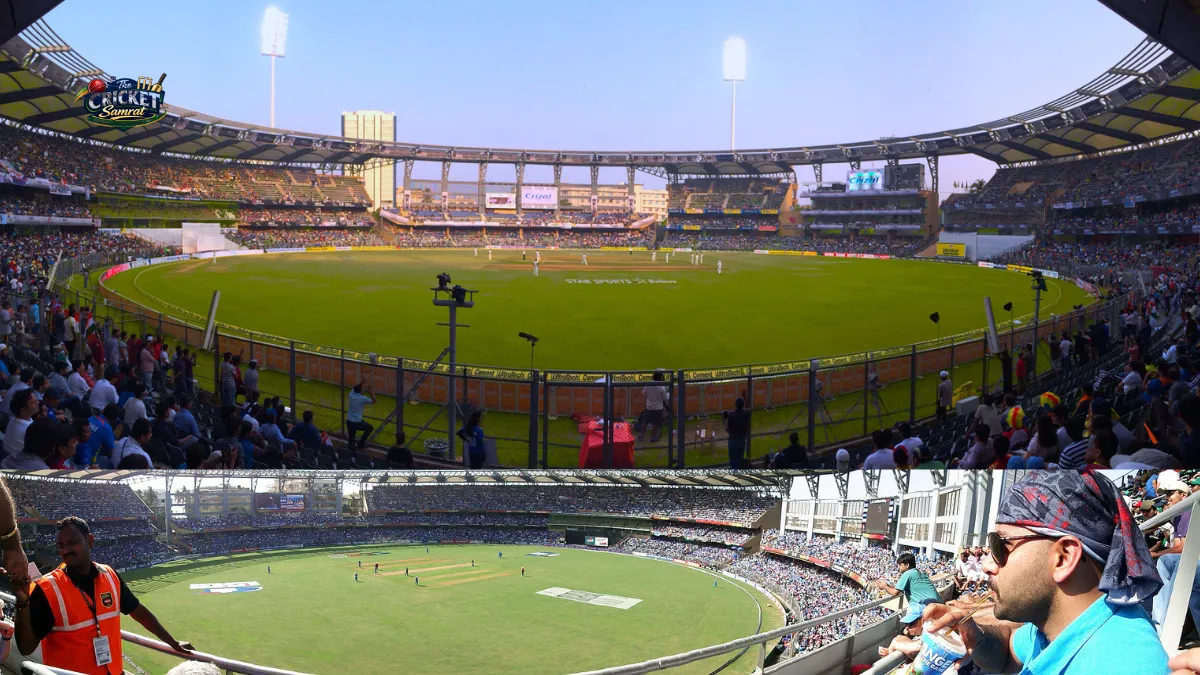
About Wankhede Stadium, Mumbai
| Feature | Details |
|---|---|
| Established | 1974 |
| Seating Capacity | Approx. 32,000 |
| End Names | Garware Pavilion End, Tata End |
| Floodlights | Yes |
| Home Team | Mumbai |
| Pitch Type | Grass (Red Soil Base) |
| Location | Mumbai, Maharashtra, India |
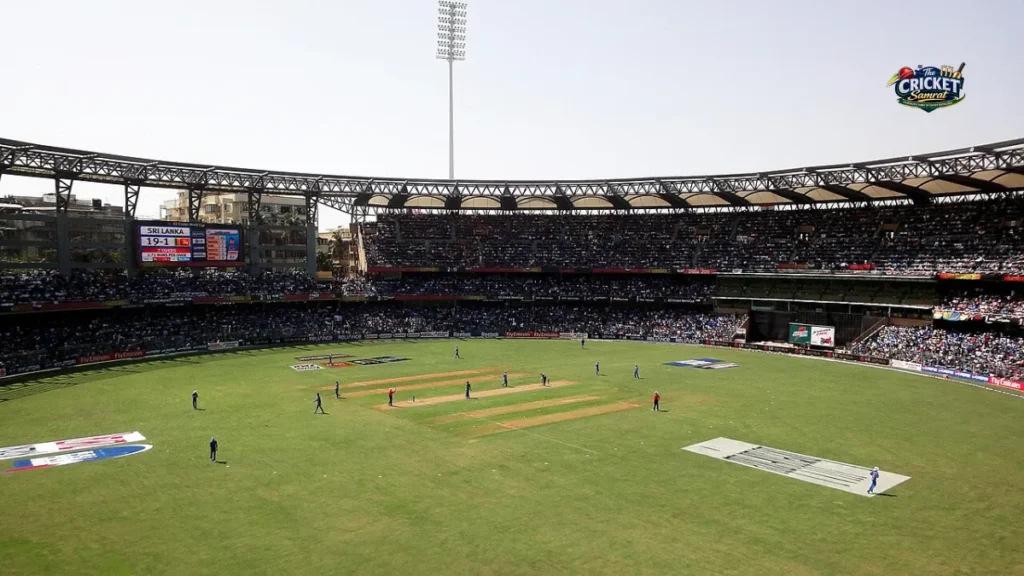
Wankhede Stadium Mumbai, often described as the heartbeat of Indian cricket, has played a central role in shaping the sport’s history in the country. Among its many cricketing landmarks, Wankhede Stadium stands tall as one of the most iconic venues in the world. From legendary Test matches to unforgettable limited-overs encounters, the stadium has delivered moments that continue to define modern cricket.
The wankhede stadium pitch report remains one of the most searched topics among cricket fans, analysts, fantasy players, and broadcasters. The reason is simple: this ground almost guarantees excitement. Whether it is a high-scoring T20 night game or a gripping Test match that evolves over five days, the pitch at Wankhede never fails to influence match outcomes in fascinating ways.
Historical Background: How Wankhede Stadium Was Born
Before Wankhede Stadium came into existence, Mumbai hosted international cricket at two other venues. The Bombay Gymkhana Ground hosted India’s first-ever Test match during the 1933–34 season against England. Later, the Brabourne Stadium, owned by the Cricket Club of India, became the primary venue and hosted 17 Test matches after World War II.
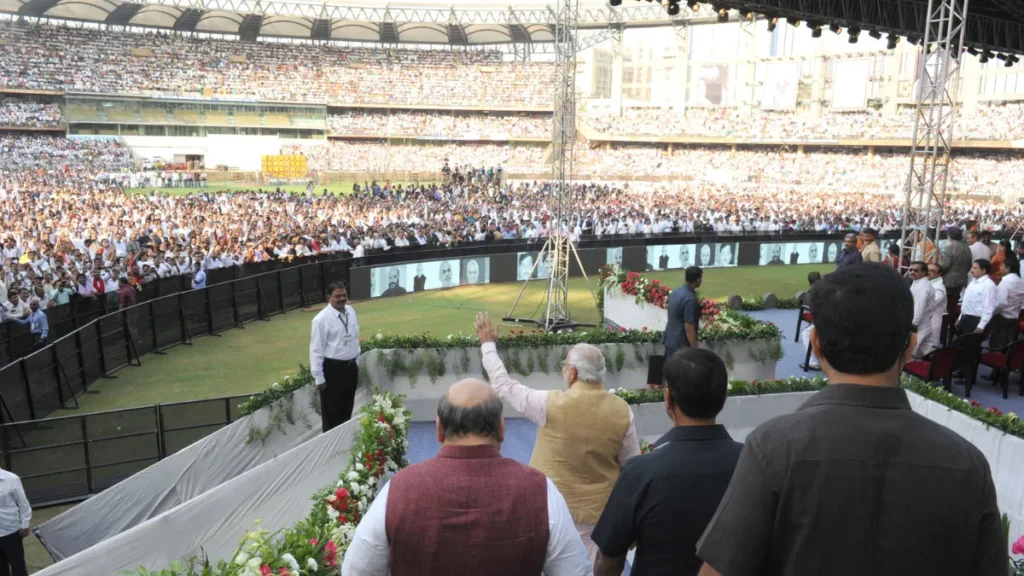
However, disagreements between the Bombay Cricket Association (BCA) and the Cricket Club of India led to the construction of a new stadium. Determined to establish an independent venue, the BCA built Wankhede Stadium just a short distance from Brabourne Stadium. When it opened in 1974, it immediately became a symbol of Mumbai’s cricketing ambition.
The stadium hosted its first Test match in the 1974–75 season when West Indies toured India. Clive Lloyd’s unforgettable unbeaten 242 dominated that match, while Mansur Ali Khan Pataudi played the final Test of his illustrious career. Although India lost, the match announced Wankhede as a serious international venue.
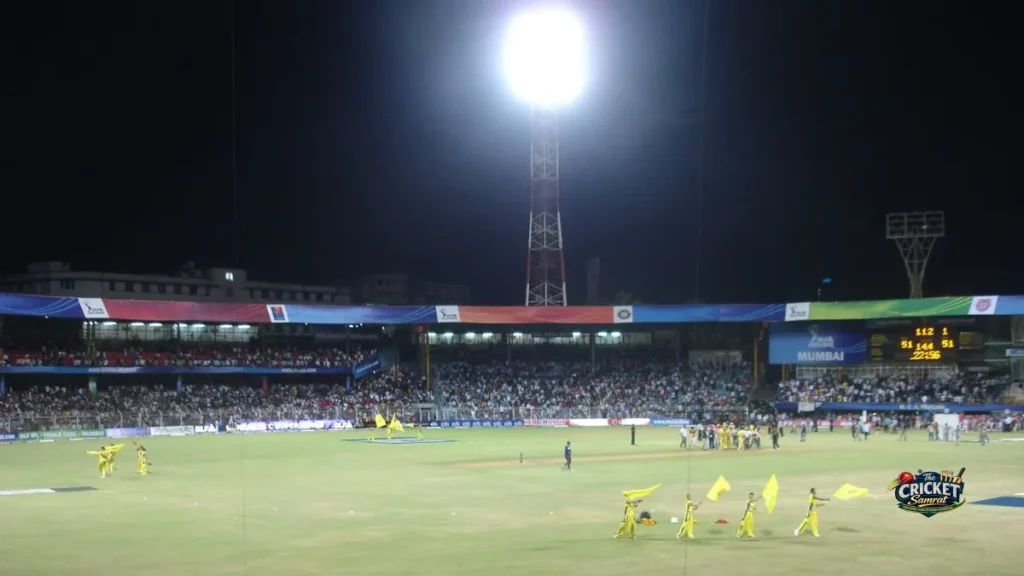
Legendary Performances That Shaped Wankhede’s Reputation
Wankhede Stadium has witnessed some of the greatest individual performances in cricket history.
One of the most celebrated matches came during the 1978–79 series against West Indies, where Sunil Gavaskar scored a magnificent 205, while Alvin Kallicharan responded with a sublime 187 in the same game. These innings reinforced Wankhede’s reputation as a batting-friendly surface with true bounce.
Another historic Test followed in 1980, known as the Jubilee Test, where Ian Botham delivered one of the finest all-round performances ever seen on Indian soil. His century and 13 wickets powered England to a memorable 10-wicket victory.
The highest individual score by an Indian at Wankhede remains Vinod Kambli’s stunning 224 against England in 1992–93, achieved in just his third Test match. The innings showcased the pitch’s ability to reward patience, technique, and confidence.
Wankhede also entered folklore in 1984–85 when Ravi Shastri smashed six sixes in an over off Tilak Raj, on his way to what was then the fastest double century in first-class cricket.
Wankhede Stadium Mumbai Pitch Report: Overall Nature of the Pitch
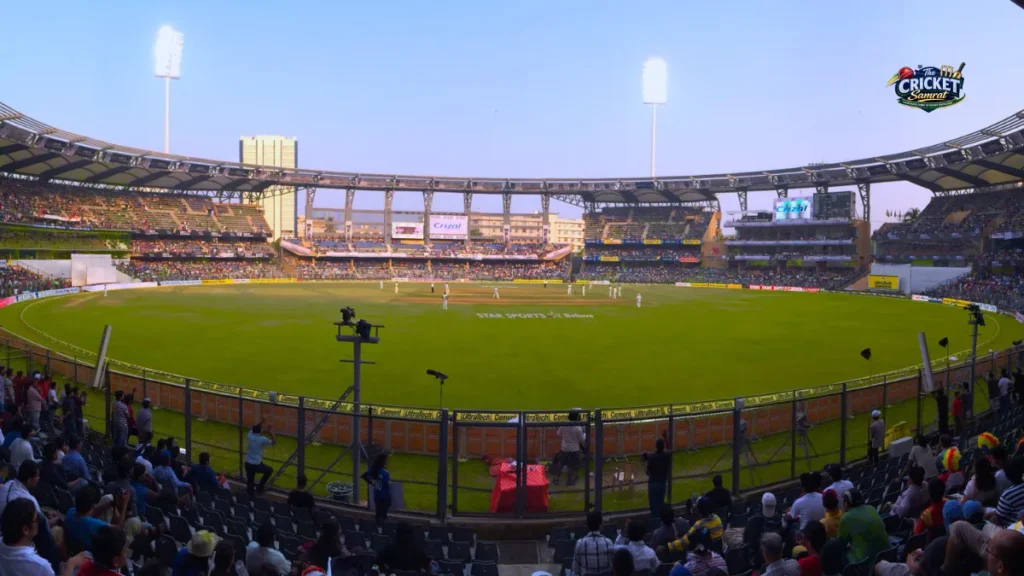
The Wankhede Stadium Mumbai Pitch Report consistently highlights a surface that favors batters but does not completely ignore bowlers. Built primarily on red soil, the pitch offers:
- Consistent bounce
- Good pace off the surface
- Minimal uneven movement
What makes Wankhede unique is its coastal location near the Arabian Sea, which introduces environmental factors like sea breeze, humidity, and dew. These elements often decide the balance between bat and ball.
While modern renovations ahead of the 2011 ICC Cricket World Cup reduced the influence of wind and breeze slightly, the pitch continues to evolve during matches, particularly in longer formats.
Batting Conditions at Wankhede Stadium
Batters generally enjoy playing at Wankhede, especially in white-ball cricket.
Key Batting Characteristics
- True bounce allows stroke-makers to play on the rise
- Shorter square boundaries encourage aggressive shot-making
- Fast outfield rewards timing
- Minimal lateral movement once the ball gets older
In ODIs and T20s, batters can trust the surface from the first over to the last. The ball comes nicely onto the bat, making timing easier even against high-quality pace bowling.
In Test matches, the first two days are typically batting-friendly. Big hundreds and long partnerships are common, provided batters apply discipline early against swing.
Bowling Conditions at Wankhede Stadium
Despite being batter-friendly, Wankhede offers specific windows of opportunity for bowlers.
Conditions for Fast Bowlers
- Early swing due to sea breeze
- Slight movement with the new ball
- Assistance during morning sessions
Conditions for Spinners
- Limited turn early on
- Increasing grip and bounce from Day 3 onwards in Tests
- Rough patches develop near the footmarks
In limited-overs formats, spinners rely more on variation, flight, and accuracy than sharp turn. Pacers, especially those skilled in death overs, play a crucial role.
Pitch Behaviour by Format
Test Match Pitch Report
The Wankhede Stadium Mumbai Pitch Report for Test cricket shows clear progression over five days.
| Day | Pitch Behaviour |
|---|---|
| Day 1–2 | Flat surface, ideal for batting |
| Day 3 | Slight wear, spinners enter the game |
| Day 4–5 | Cracks and rough assist spin and reverse swing |
Teams winning the toss often prefer to bat first, aiming to post a large total before the pitch slows down.
ODI Pitch Report
In One Day Internationals, the pitch remains consistent.
| Aspect | Observation |
|---|---|
| Average First Innings Score | 260–280 |
| Chasing Advantage | High |
| Swing | Early overs only |
| Dew Impact | Significant in night games |
Scores above 300 have become increasingly common in modern ODI cricket at this venue.
T20 Pitch Report
The Wankhede Stadium Mumbai Pitch Report for T20 matches strongly favors batting.
| Factor | Impact |
|---|---|
| Average Score | 170–185 |
| Boundary Size | Short square boundaries |
| Dew | Major second-innings factor |
| Bowling Difficulty | High under lights |
High-pressure chases and last-over finishes are a regular feature.
Toss Factor at Wankhede Stadium
The toss plays a decisive role, particularly in limited-overs cricket.
- ODIs & T20s: Teams usually choose to bowl first due to dew
- Tests: Batting first is often preferred
Dew significantly reduces grip for bowlers and makes fielding challenging in the second innings.
Weather Impact on Wankhede Stadium Mumbai Pitch Report
Mumbai’s tropical climate has a strong influence on match conditions.
| Weather Factor | Effect |
|---|---|
| Humidity | Encourages swing early |
| Sea Breeze | Helps pacers |
| Dew | Favors chasing teams |
| Rain | Can alter pitch pace |
Even brief rain can quicken the surface, while heavy humidity often accelerates dew formation.
Boundary Dimensions and Ground Characteristics
- Short square boundaries
- Slightly longer straight boundaries
- Extremely quick outfield
These dimensions contribute heavily to high scoring, especially for players strong on the pull and cut shots.
Iconic Matches at Wankhede Stadium
No discussion of Wankhede is complete without the 2011 ICC Cricket World Cup Final, where India defeated Sri Lanka to lift the trophy. The match perfectly demonstrated the pitch’s balanced nature, rewarding disciplined batting and smart bowling.
The stadium has also hosted countless IPL classics, featuring record chases, centuries, and dramatic finishes.
Team Strategy Based on Wankhede Stadium Mumbai Pitch Report
Teams generally focus on:
- Strong top-order batters
- Finishers with power-hitting ability
- Fast bowlers skilled at yorkers and slower balls
- Spinners with variation rather than turn
All-rounders add immense value due to batting-friendly conditions.
Fantasy Cricket Insights
Fantasy players often prioritize:
- Top-order batters
- Death-over bowlers
- Batting all-rounders
Captains and vice-captains are frequently chosen from aggressive batters.
Strengths and Weaknesses of the Pitch
Strengths
- Consistent bounce
- High entertainment value
- Balanced contests in Tests
Weaknesses
- Dew heavily favors chasing
- Bowlers struggle under lights
- Defending totals is difficult
Pitch Preparation and Future Outlook
Modern pitch preparation techniques ensure:
- Reliable drainage
- Consistent bounce
- Format-specific surfaces
The Wankhede Stadium Mumbai Pitch Report is expected to remain batting-friendly, aligning with modern cricket’s aggressive nature.
Also read: Sydney Cricket Ground Pitch Report: Complete and In-Depth Analysis for Test, ODI, and T20 Cricket
Conclusion
The Wankhede Stadium Mumbai Pitch Report explains why this venue continues to be one of the most exciting cricket grounds in the world. With its true bounce, fast outfield, and coastal weather influence, the pitch consistently delivers thrilling contests across formats.
Whether it is Test cricket’s evolving battles, ODI run-fests, or T20 fireworks under lights, Wankhede Stadium remains a symbol of cricketing excellence. For teams, analysts, fantasy players, and fans alike, understanding this pitch is essential to appreciating the drama that unfolds every time cricket returns to Mumbai.